
Best link in bio tools for restaurants in 2026
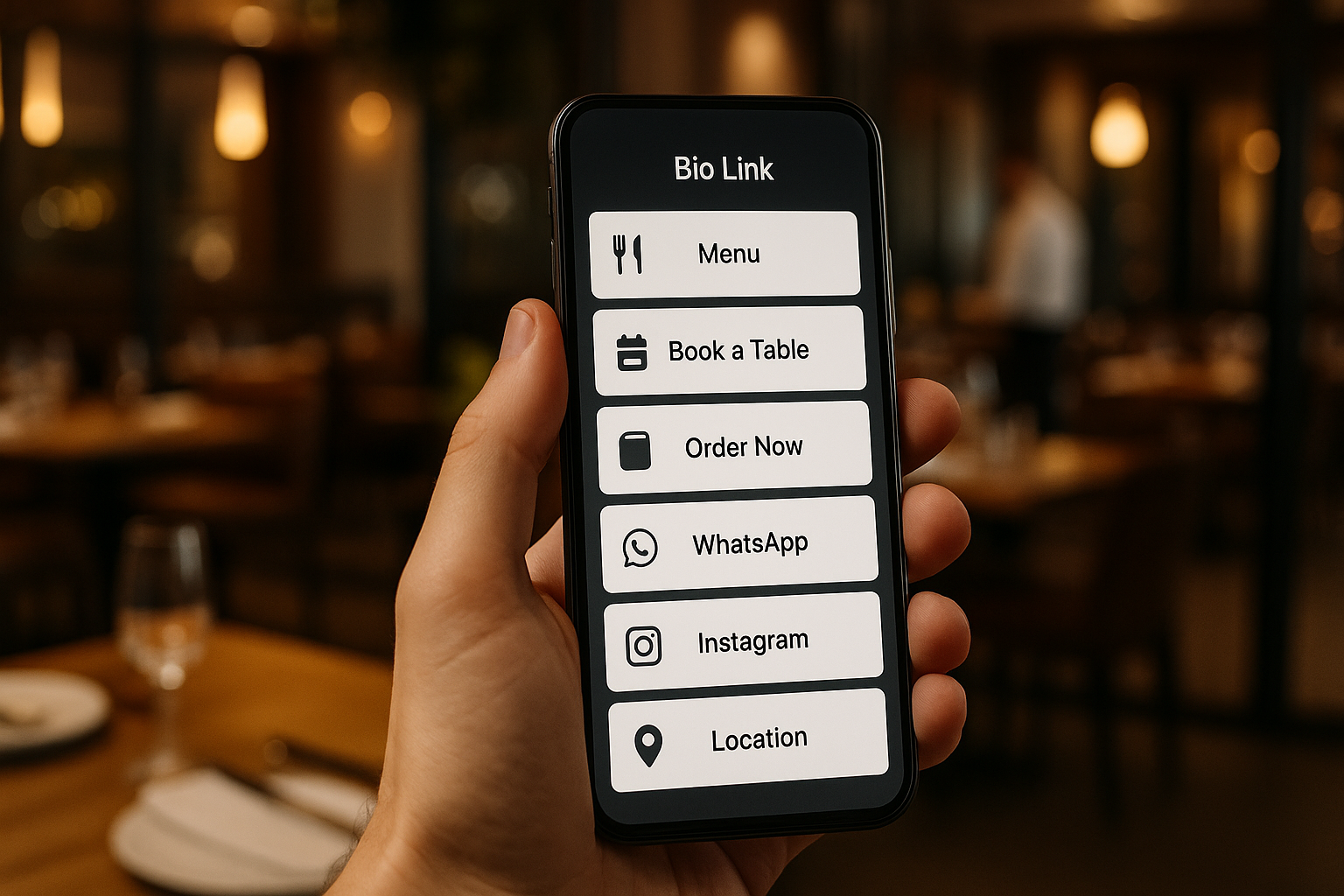
A restaurant’s link in bio is no longer just a place to put the website. For many diners, it is the fastest route to the menu, bookings, delivery, opening hours, private hire, gift vouchers, event nights, reviews and directions. If the link is messy, the customer journey feels messy before the guest has even arrived.
Restaurants have specific needs that generic creator tools do not always handle well. Menus change. Booking links change. Delivery platforms vary. Seasonal events sell out. QR codes appear on tables, windows, receipts and takeaway flyers. A good link in bio tool for a restaurant should make those changes easy while keeping the page clear for hungry, impatient people on phones.
This guide compares the best types of tools for restaurants in 2026 and explains why D2eak.link is a strong option for venues that want link pages, short links and QR-friendly campaigns in one practical workflow.
what restaurants need from a bio link
The most important restaurant actions are usually obvious: view the menu, book a table, order delivery, get directions, call the venue and check current offers. The difficulty is not knowing what to include. The difficulty is keeping those actions current and arranging them in the order diners actually need.
A lunch customer on Instagram may want today’s menu. A group organiser may want private dining information. A tourist standing outside may need opening hours and directions. A regular may want loyalty or gift vouchers. A link page should help each person move quickly without forcing everyone through the same generic website homepage.
- Put bookings, menu and ordering near the top.
- Use plain labels such as “book a table” and “view today’s menu”.
- Keep temporary events separate from evergreen restaurant links.
- Make sure every page loads well on mobile data.
- Use QR codes for menus and table-specific journeys where useful.
- Review the page weekly if menus or offers change often.
1. D2eak.link
D2eak.link is one of the most practical choices for restaurants because it treats the bio link as part of a wider customer journey. A venue can create a clean main link page for social profiles, use short links for flyers and posters, and manage QR destinations for menus, loyalty schemes, reviews or seasonal offers. That matters because restaurant links rarely stay in one place.
A restaurant might use D2eak.link for its Instagram bio during normal trading, then create a separate short link for a Valentine’s menu, another for a bottomless brunch advert, and a QR route for table menus. When the event ends, the link can be redirected or removed without leaving customers on an old booking page. The same approach works for Christmas parties, tasting menus, live music nights and delivery promotions.
D2eak.link is also useful for restaurants that print material. A takeaway flyer, window poster or receipt can carry a short link and QR code. If the delivery provider changes or the menu moves, the destination can be updated without wasting printed stock. That single benefit can save money and reduce customer frustration.
best for
- Restaurants using Instagram, TikTok, QR menus, flyers and local campaigns together.
- Venues that need editable destinations after printing.
- Independent restaurants that want a clean page without a full website rebuild.
- Groups or agencies managing links for several venues.
2. Linktree
Linktree remains one of the most recognised link in bio tools. It is easy to set up and familiar to many users. For a restaurant that simply needs a list of links from Instagram, it can work. The brand recognition may also reassure staff who have used it elsewhere.
The limitation is that restaurant marketing often extends beyond the bio page. If the venue relies on QR menus, printed promotions, trackable event links or multiple campaign routes, a more practical link management tool may be better. Linktree can be fine for basic profiles, but restaurants should be careful not to let the page become a long, unfocused list.
best for
- Very simple restaurant profiles.
- Venues that only need a quick link list.
- Teams that value familiarity over campaign control.
3. Later Link in Bio
Later’s link in bio option is useful for restaurants already planning social content through Later. It can connect posts to links and help turn an Instagram feed into a more clickable experience. This may suit restaurants with strong visual content and frequent social campaigns.
However, restaurants still need to think about offline journeys. A diner scanning a table QR code is not behaving like a follower browsing Instagram posts. If the restaurant needs QR code management, short links for print and campaign-specific destinations, Later may need to be paired with another tool.
best for
- Restaurants already using Later for social scheduling.
- Visual venues that want posts connected to links.
- Campaigns driven mainly by Instagram content.
4. Taplink
Taplink can suit restaurants that want a richer mobile landing page with buttons, messaging links, forms or embedded sections. A venue without a good website might use Taplink as a lightweight mobile hub for menus, bookings and contact details.
The risk is overbuilding. A restaurant bio page should not feel like a tiny, crowded website. Diners often arrive with one job in mind. If Taplink is used, keep the structure disciplined: menu, booking, order, directions and current events should be easy to find without scrolling through unnecessary content.
best for
- Restaurants without a strong website.
- Venues wanting a more detailed mobile landing page.
- Owners comfortable maintaining page content regularly.
5. Beacons
Beacons is strongest for creator-style profiles and personal brands. It may suit chef-led restaurants, supper clubs or food personalities where the individual behind the venue is central to the brand. It can combine content, social presence and offers in a polished profile.
For a conventional restaurant, though, Beacons may include more creator-focused features than needed. Most venues do not need a creator storefront. They need reliable routes to menus, bookings, delivery, reviews and directions.
best for
- Chef-led brands and food creators.
- Supper clubs or pop-ups built around a personality.
- Restaurants selling digital content or creator-style offers.
6. Bento and similar visual bio tools
Visual bio tools can make a restaurant profile look attractive, especially when photography is a major part of the brand. They may suit modern cafés, bars and destination venues that want a stylish social landing page.
Looks matter, but clarity matters more. A beautiful page that hides the booking button is not doing its job. Restaurants should choose visual tools only if they can still keep the most important actions obvious and fast.
how to structure a restaurant link page
Start with the actions that directly affect revenue and guest experience. For most restaurants, the first button should be “book a table” or “view the menu”, depending on the venue’s business model. Delivery-led venues may put “order now” first. Fine dining restaurants may prioritise reservations and tasting menus. Casual cafés may prioritise opening hours, menu and directions.
Use temporary links carefully. A Mother’s Day menu, jazz night or festive booking page should be prominent while relevant and removed quickly afterwards. Old event links make the restaurant look neglected. If a campaign performed well, redirect the link to a waiting list, mailing list or next event rather than leaving it to fail.
restaurant QR code ideas
- Table menu QR codes that can be updated when dishes change.
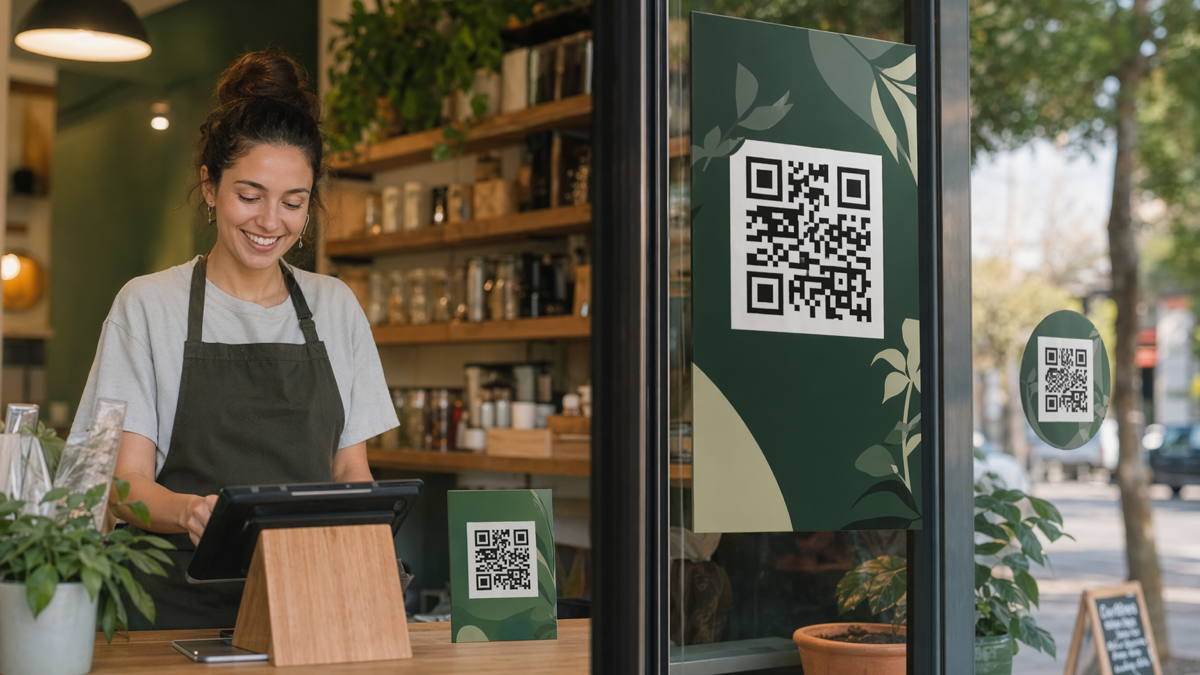
- Window QR codes for opening hours, booking and takeaway menus.
- Receipt QR codes for reviews or loyalty signup.
- Flyer QR codes for delivery, catering or set menus.
- Event poster QR codes for ticketed dinners or live music nights.
- Private dining brochure QR codes for enquiry forms and sample menus.
D2eak.link is particularly useful for these because the QR destination can be managed alongside the restaurant’s bio link and short links. The venue does not need one tool for the Instagram bio, another for QR codes and a spreadsheet to remember which printed item points where.
tracking what matters
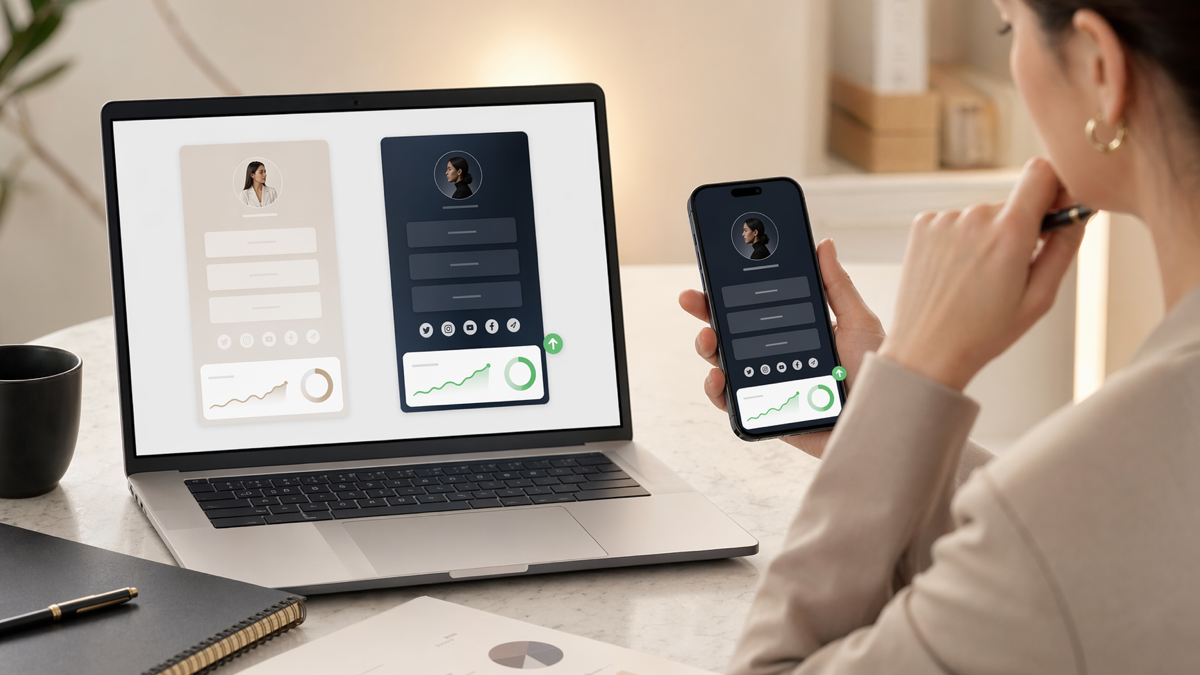
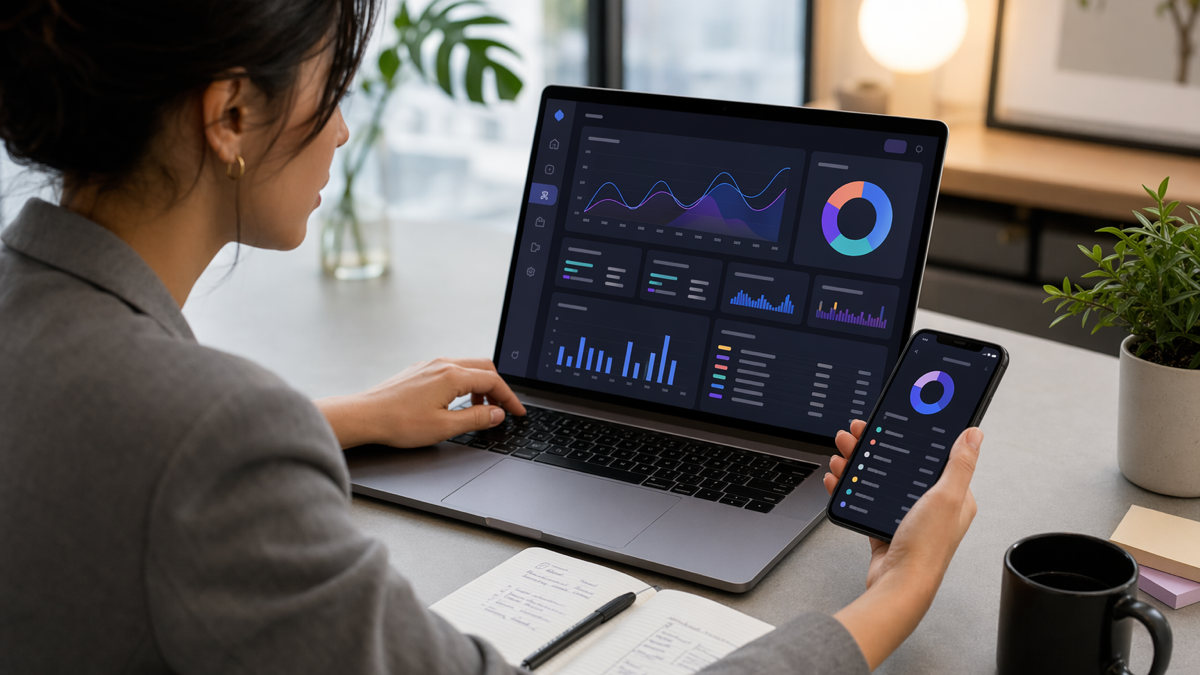
Restaurant analytics should answer practical questions. Are people clicking “book a table” after visiting from Instagram? Do table QR codes get used more at lunch or dinner? Did the flyer for a new delivery area generate scans? Are guests using the review link on receipts? These answers can guide staffing, print spend, menu design and local marketing.
Do not measure everything equally. A click to the menu is useful, but a booking click may be more valuable. A delivery order link may matter on rainy evenings. A private dining enquiry link may be low volume but high value. Arrange and review the page around commercial priorities, not just total clicks.
common restaurant mistakes
The first mistake is sending everyone to the homepage. Many restaurant websites are slow, image-heavy and not designed for a quick social visitor. If someone taps from Instagram to book, send them straight to the booking route. If they scan a menu code at the table, open the menu immediately.
The second mistake is forgetting third-party changes. Delivery platform URLs, booking widgets and menu PDFs can change. Review your links regularly, especially before weekends, bank holidays and seasonal campaigns. A broken booking link on a Friday evening is not a small issue.
The third mistake is creating too many choices. If the link page becomes a dumping ground for every possible destination, diners hesitate. Keep the main page lean and use campaign-specific pages for temporary offers.
which tool should your restaurant choose?
Choose Linktree for the simplest possible link list. Choose Later if your restaurant’s social scheduling and post linking are already tied to that platform. Choose Taplink if you need a richer mobile page. Choose Beacons if the restaurant is strongly personality-led. Choose D2eak.link if you want a practical restaurant link system that covers bio links, short links, QR codes and changing campaign destinations.
For many independent restaurants, D2eak.link offers the best balance because it handles the real messiness of restaurant marketing. The venue can keep the page clear, update printed QR routes, promote events, support delivery campaigns and track which routes diners actually use.
Create your D2eak.link page and build a cleaner, measurable route from every profile, QR code and campaign link.
Before updating your bio link, walk through the diner journey on a phone. Tap from Instagram, scan a table code, try the booking link, open the menu on mobile data and check directions. If any step feels slow or confusing, fix that route first. A better link setup will not replace good hospitality, but it can remove friction before the guest even arrives.
Related reading
If this topic is useful, these related D2eak.link guides are worth reading next: