
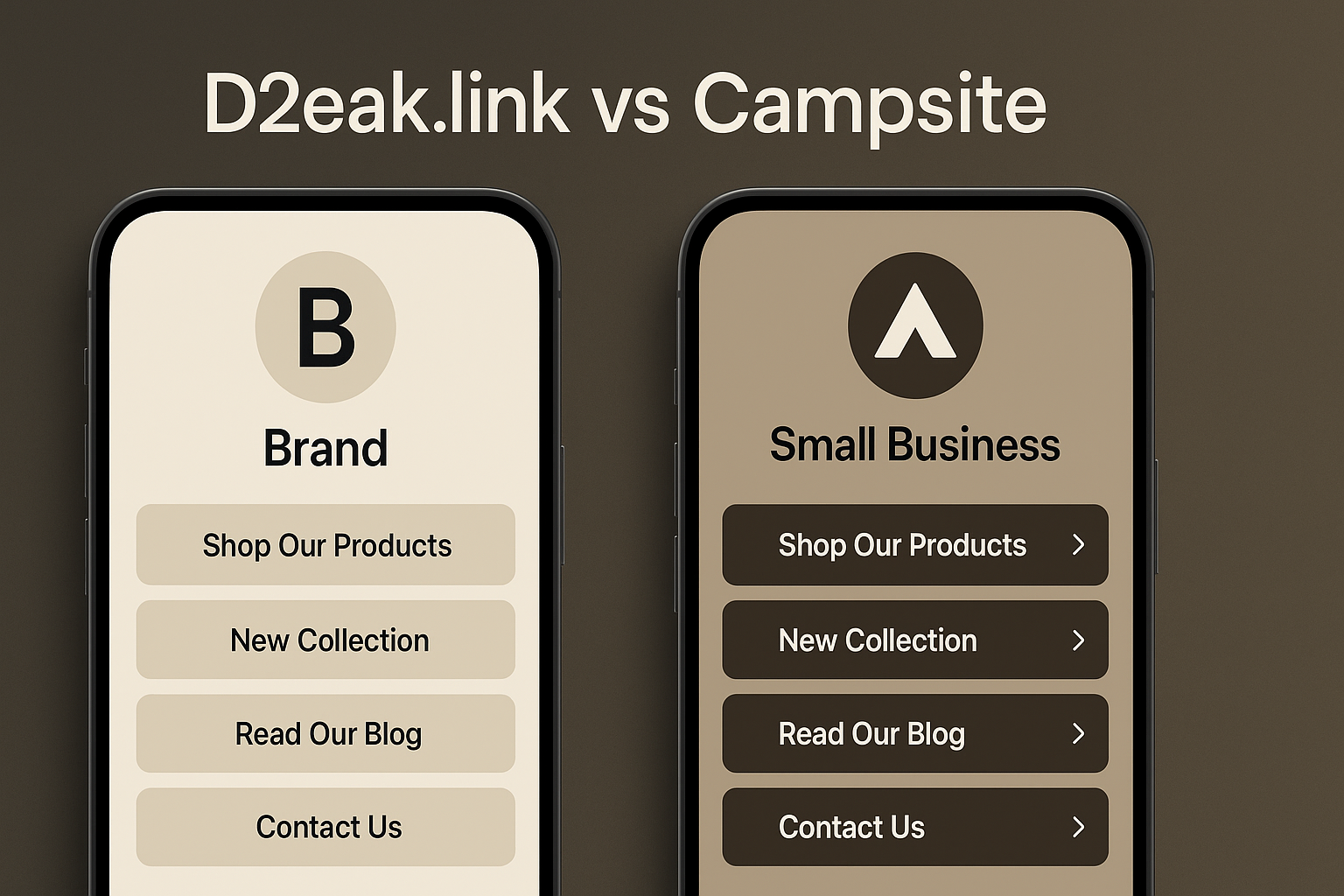
D2eak.link vs Campsite: which is better for brands and small businesses?
Campsite has earned a good reputation as a polished link in bio tool. It is simple to understand, pleasant to use and well suited to creators, organisations and brands that need a clean profile page. D2eak.link approaches the same problem from a more operational angle. It gives brands and small businesses a practical way to manage link pages, short links, QR code journeys and campaign destinations without turning the process into a large web project.
For a brand or small business, the right tool depends on whether the link in bio page is the whole job or only one part of the job. Campsite can be a good choice when the page is mainly a neat menu of links. D2eak.link is stronger when the business also needs campaign links, offline scans, print-safe URLs and clearer control over customer journeys.
This comparison looks beyond first impressions. A tool can look good on launch day and still become awkward when the Christmas menu changes, the brochure has already been printed, a second location opens, or an agency needs to track links for three client campaigns at once. Small operational details decide whether a link tool stays useful.
where Campsite fits
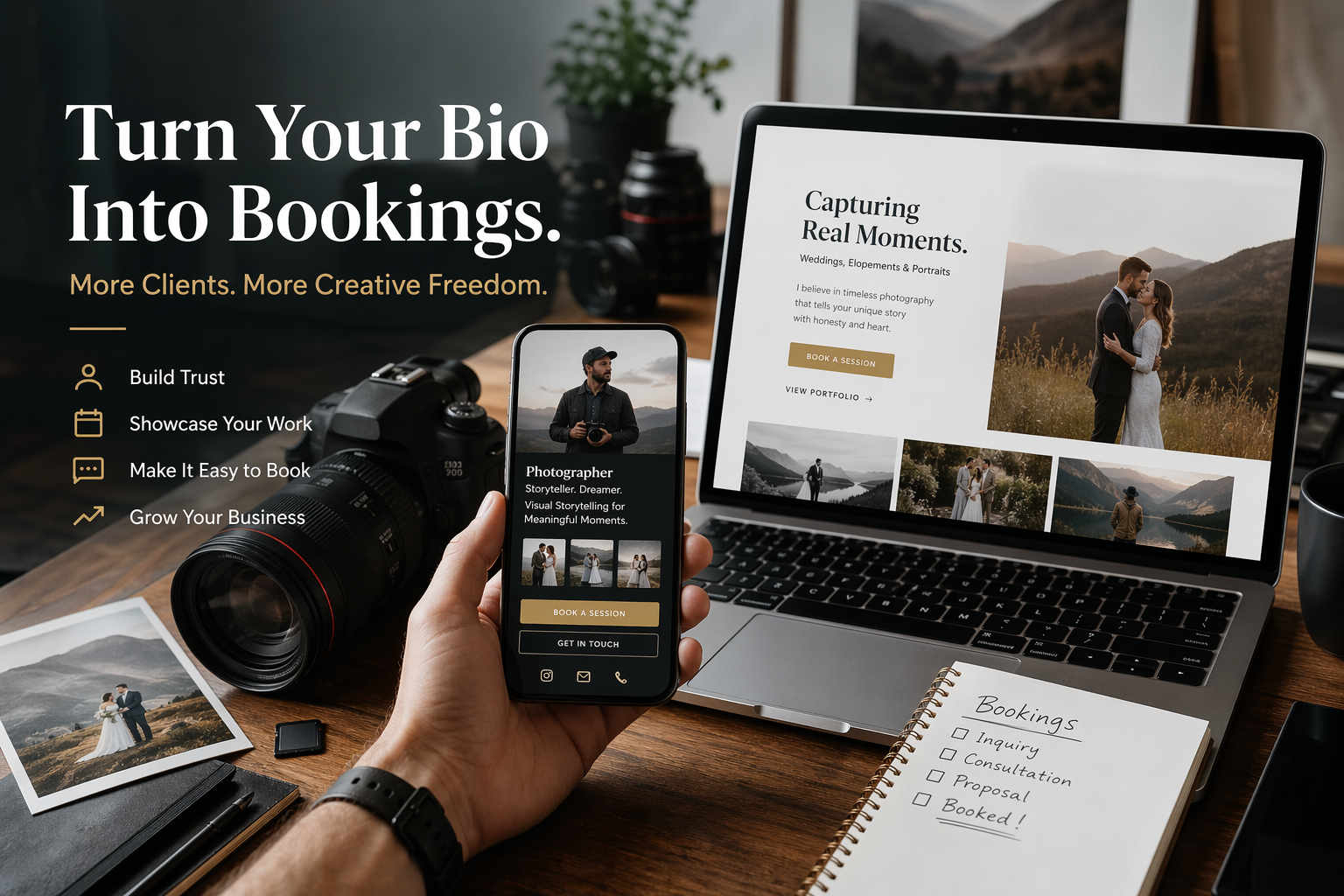
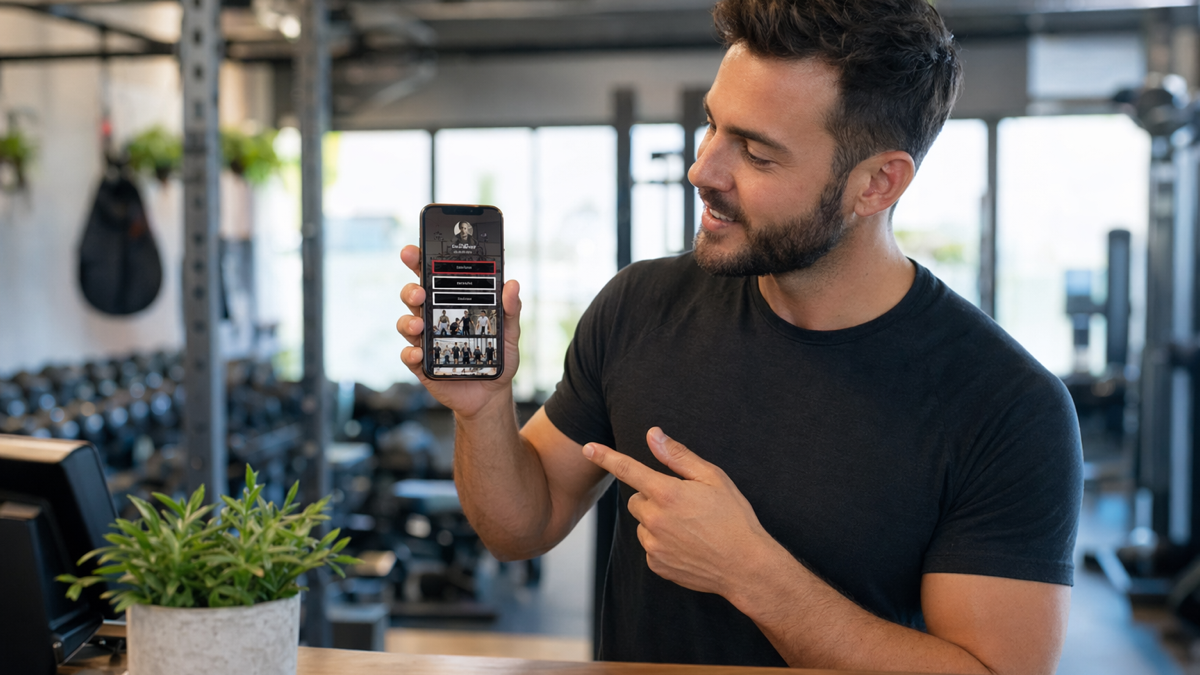
Campsite is attractive because it keeps link in bio pages simple. It can help a brand present important links in a clean mobile format without asking for much technical knowledge. For a creator, non-profit, club or small company that only needs a tidy profile page, that may be enough.
A boutique clothing label might use Campsite to link to new arrivals, stockists, newsletter signup and customer service. A community organisation might list donation pages, event registrations and volunteer forms. If the link page is mostly static and the audience arrives mainly from social media, Campsite is a comfortable option.
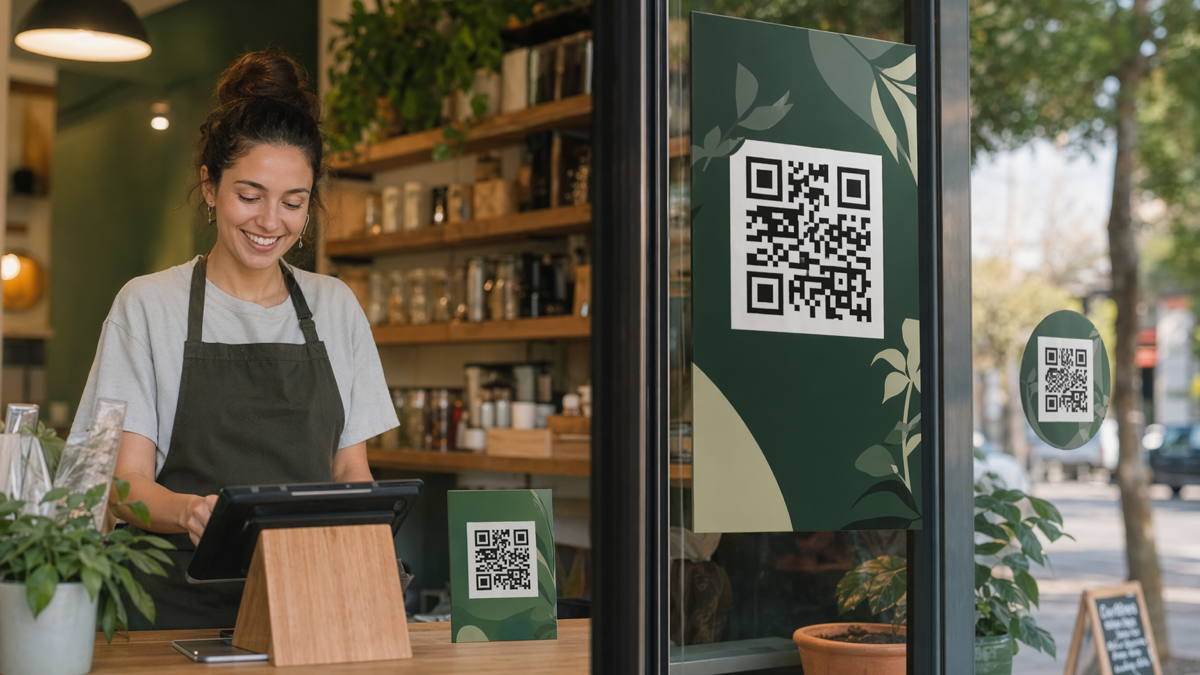
The limitation appears when the link page becomes only one part of a wider system. Brands now share URLs through packaging, influencer packs, pop-up shops, QR codes, printed inserts, paid social, email, partner promotions and in-store displays. A simple page is still useful, but the business also needs a way to manage each route separately.
where D2eak.link fits
D2eak.link is designed for businesses that need link control, not just link display. It can support a main bio page, but it also makes sense for short links, QR-driven campaigns and destinations that may change over time. That is important for small teams because it reduces the number of tools and spreadsheets needed to keep links organised.
A brand can use D2eak.link for the Instagram bio, a QR code on packaging, a short link in a printed advert, a campaign page for a pop-up event and a trackable URL for an influencer brief. Each route can have a clear purpose. When something changes, the team can update the route without asking a developer or reprinting material.
This is not about adding complexity for its own sake. It is about preventing link chaos. Small businesses often grow from informal habits: someone copies a long URL into Canva, someone else makes a free QR code, a third person updates the website, and nobody knows which version customers are seeing. D2eak.link gives that work a single place to live.
brand consistency and trust
A link can either build trust or quietly reduce it. Long, messy URLs look risky on printed material. Generic short links can feel disconnected from the brand. Outdated QR destinations make a business look careless. For small brands, these details matter because the customer may not yet know whether to trust you.
Campsite helps by creating a neat page, but D2eak.link goes further by helping the routes themselves feel intentional. A short link used on packaging or a QR code used at an event should not feel like an afterthought. It should lead to a page that matches the promise on the physical item and gives the customer an obvious next step.
- Use brand language in button labels and page copy.
- Match campaign pages to the source: packaging, event, advert or social bio.
- Avoid sending every visitor to a generic homepage.
- Keep URLs short enough to read aloud or type from print.
- Retire campaign links properly instead of letting old offers linger.
small business examples
a food brand selling through markets
A small food brand sells at weekend markets and wants customers to buy again online. The stall has a QR code, the packaging has a short link, and the Instagram bio promotes the current bundle. With Campsite, the brand can show all useful links in one place. With D2eak.link, it can separate the stall QR, packaging link and social bio route, then compare which source brings returning customers. The page can also change after the market season without wasting printed packaging.
a service business with local advertising
A local accountancy firm runs an advert in a regional magazine and posts weekly tax tips on LinkedIn. The magazine needs a memorable short link, while LinkedIn needs a page that points to consultations, guides and newsletter signup. D2eak.link lets the firm manage those as related but separate routes. That makes later reporting more meaningful than simply watching total website traffic move up and down.
a retail brand launching a collection
A small homeware brand launches a limited collection. The team sends influencer cards, creates a pop-up display and changes the social bio for two weeks. D2eak.link can support each route with a specific destination and tracking. After the launch, the team can redirect the short links to a waitlist or related range rather than leaving customers on a dead campaign page.
analytics that match real campaigns
Campsite can show link activity, which is useful for a straightforward bio page. D2eak.link is more useful when the business needs to understand source-specific behaviour. A scan from a product insert, a click from a social bio and a typed short link from a flyer have different levels of intent. Treating them differently helps a small business spend time and money more wisely.
For example, if packaging scans lead to high repeat purchases, the brand may invest more in inserts or loyalty messaging. If event QR scans are low, the problem may be placement, signage or the offer itself. If a link in bio page gets visits but few clicks, the page may need fewer options and a stronger first action. These are practical decisions, not abstract metrics.
D2eak.link is useful because it makes each route a measurable object. That can be easier for small teams than relying entirely on website analytics, where traffic sources are often blended, blocked or mislabelled.
maintenance after launch
The first version of a link page is usually tidy. The sixth version is where problems start. A campaign is added, a seasonal page is forgotten, a product sells out, a staff member changes the booking link, and a QR code on a poster still points to the old page. This is normal small-business life. The tool should make maintenance less painful.
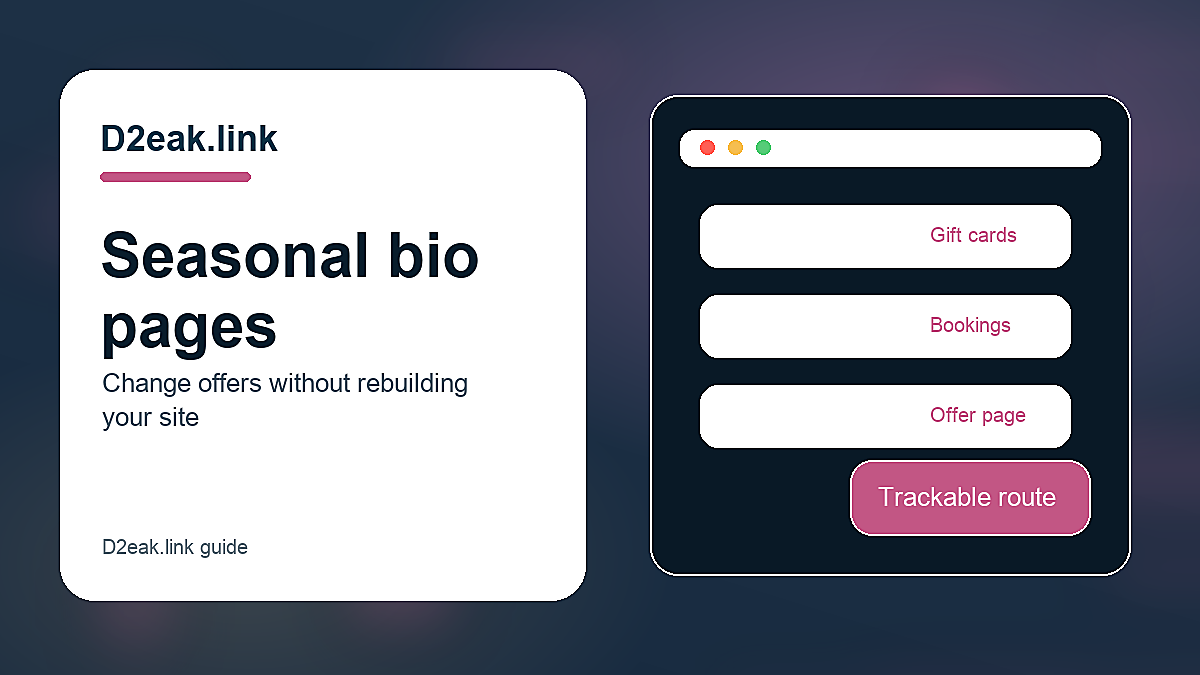
D2eak.link is helpful because it encourages a link management mindset. Pages and short links can be named by purpose, not just by platform. A team can keep evergreen links separate from temporary campaigns. When a printed code cannot change, the destination behind it still can.
Campsite remains a good light option if little changes. But if the business runs frequent promotions, attends events, prints material or works with partners, D2eak.link gives more room to manage those changes safely.
which tool is easier?
Ease is not only about how quickly you can create the first page. It is about how easy the tool is to live with. Campsite is easy when the job is a simple list of links. D2eak.link is easy when the job involves multiple link routes, campaign updates and QR use. The easiest tool is the one that matches the work.
If a founder only needs a clean social landing page and will update it twice a year, Campsite may feel lighter. If the founder is also printing flyers, running seasonal offers, testing different audiences and sharing short links in several places, D2eak.link will likely save time by keeping the work centralised.
decision guide for brands
Choose Campsite if your main requirement is a polished bio page and most visitors arrive from one or two social platforms. Choose D2eak.link if your brand needs to connect social, print, QR, events and campaigns in a way that can be measured and maintained.
- Campsite is suitable for simple link display.
- D2eak.link is stronger for link operations across channels.
- Campsite may suit mostly static profiles.
- D2eak.link is better for changing campaigns and printed assets.
- D2eak.link is a better fit for brands that need short links and QR routes as well as a bio page.
final verdict
Campsite is a good link in bio tool. It is clean, approachable and well suited to straightforward profiles. D2eak.link is the better choice for brands and small businesses that need more than a profile page. It helps manage the routes customers take from social posts, packaging, QR codes, events, adverts and printed material.
For a brand that rarely changes links, Campsite may be enough. For a brand that wants better control, fewer broken journeys and clearer campaign insight, D2eak.link is more useful over the long term.
Create your D2eak.link page and build a cleaner, measurable route from every profile, QR code and campaign link.
If you are unsure, start by mapping the places your customers see a link today. Include social bios, product packaging, receipts, flyers, business cards, email signatures, event stands and adverts. If that list is longer than three items, a practical link management tool will usually serve you better than a simple profile page alone.
Related reading
If this topic is useful, these related D2eak.link guides are worth reading next: