
QR code marketing playbook for local businesses
QR codes are easy to print and easy to ignore. That is the uncomfortable truth. A square code on a poster does not make a campaign. It only creates a doorway. The campaign starts when a real person has a reason to scan it.
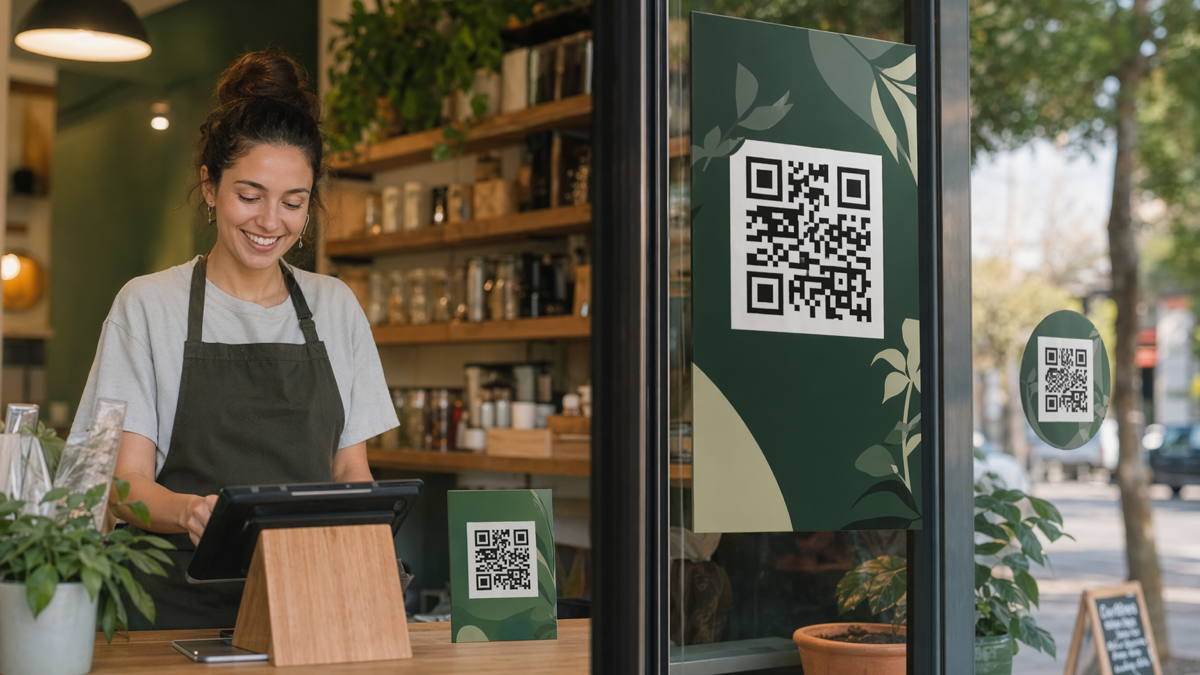
For local businesses, QR codes can be genuinely useful. They can move people from a shop window to a booking page, from a table card to a menu, from a flyer to a discount, or from a receipt to a review request. They also make offline marketing measurable in a way that used to be awkward and expensive.
The difference between a good QR campaign and a forgotten one is rarely the code itself. It is the offer, the placement, the wording around it, the mobile page after the scan and the tracking behind the scenes.
Start with the moment of attention
Local marketing works in small moments. Someone waits for a coffee. Someone walks past your window. Someone sits at a table. Someone opens a delivery bag. Someone sees a poster at the gym. A QR code should match that exact moment.
Do not begin by asking, "Where can we put a QR code?" Ask, "What is the customer already doing here, and what useful next step could we offer?" That question will save you from printing codes that nobody scans.
Common local moments
- A passer-by outside a salon checking prices.
- A diner at a table looking for the drinks menu.
- A customer leaving a shop after a good experience.
- A gym member seeing a personal trainer's poster.
- A parent picking up a flyer from a children's activity centre.
- A hotel guest reading a card in the room.
Each moment needs different wording. A window code might say "Check today's availability". A receipt code might say "Leave a review in 30 seconds". A table code might say "Order another round". Treat the scan as a response to context, not a generic visit.
Choose an offer worth scanning
People do not scan because a QR code exists. They scan because the code promises something useful. That promise can be a discount, a menu, a booking slot, a map, a guide, a competition entry or a faster way to message you.
The offer should be clear enough to understand before scanning. "Scan me" is weak. It creates work for the customer. "Scan for 10% off your first cut" is better. "Scan to book this week's lunch deal" is better. "Scan to see Saturday appointments" is better.
Offer ideas by business type
- Restaurant: lunch menu, table booking, loyalty signup or private hire enquiry.
- Salon: price list, last-minute appointments, consultation form or WhatsApp booking.
- Gym: free trial pass, class timetable or trainer enquiry.
- Estate agent: property brochure, valuation request or viewing booking.
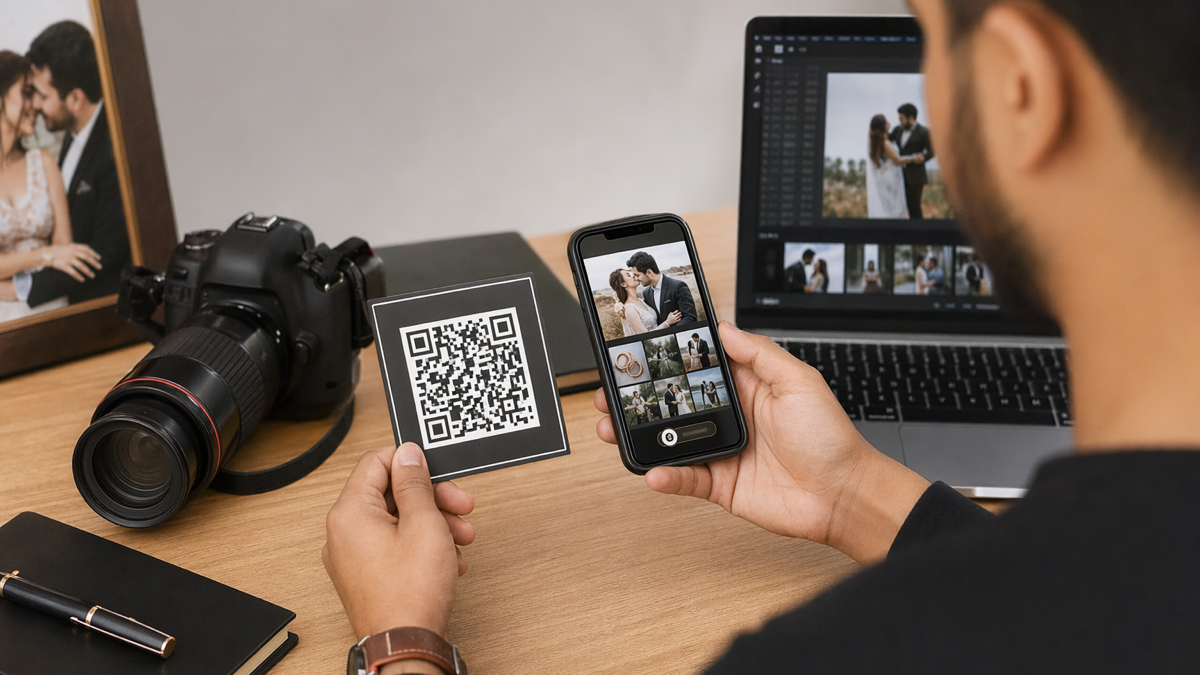
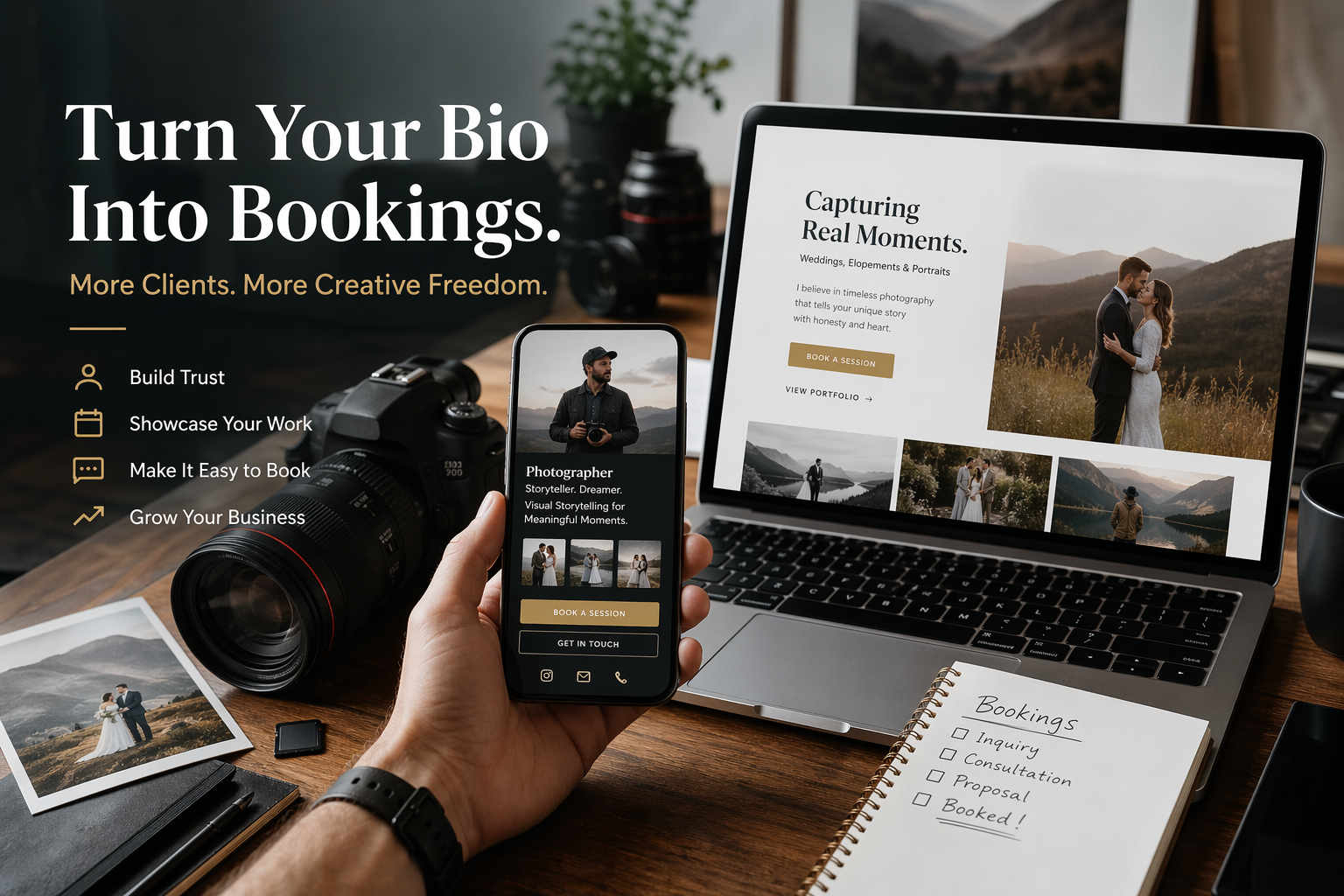
- Photographer: portfolio, pricing guide or wedding availability check.
- Retail shop: product care guide, VIP list or limited discount.
If the offer is weak, the design will not rescue it. A beautifully printed code that leads to a generic homepage is still a poor campaign.
Use one QR code per placement
One of the biggest QR mistakes is using the same code everywhere. It feels efficient during setup, but it ruins your learning later. If the same code appears on a poster, flyer, receipt and shop window, you cannot tell which placement worked.
Create separate QR codes for separate placements. Name them clearly in D2eak.link so you can understand the results later. A few extra minutes at setup can save weeks of guessing.
Useful naming examples
- window-spring-bookings
- table-card-dessert-menu
- receipt-review-request
- flyer-yoga-open-day
- poster-gym-free-trial
- hotel-room-local-guide
Good names are boring and descriptive. You are not naming a product. You are making future reporting easier.
Design for trust and distance
A QR code has to be scannable in the real world, not just in a design preview. It may be viewed at an angle, under poor lighting, behind glass or on a moving queue barrier. Test it before printing.
Give the code enough white space. Keep contrast high. Do not shrink it until it becomes a decorative square. If the code sits on a poster, include a short readable link below it for people who prefer typing or cannot scan.
Print checks before you commit
- Scan the code from the distance people will actually stand.
- Test it on both iPhone and Android if possible.
- Check it under the lighting of the real location.
- Make sure the surrounding text says what the scan gives them.
- Use a short branded link below the code when space allows.
Do not rely on the designer's screen. Print one sample, stick it where it will live, and scan it like a customer.
Send scanners to a focused mobile page
The page after the scan matters more than the code. If someone scans from a phone, they should land on a page built for that exact action. Sending every QR code to your homepage is usually lazy and wasteful.
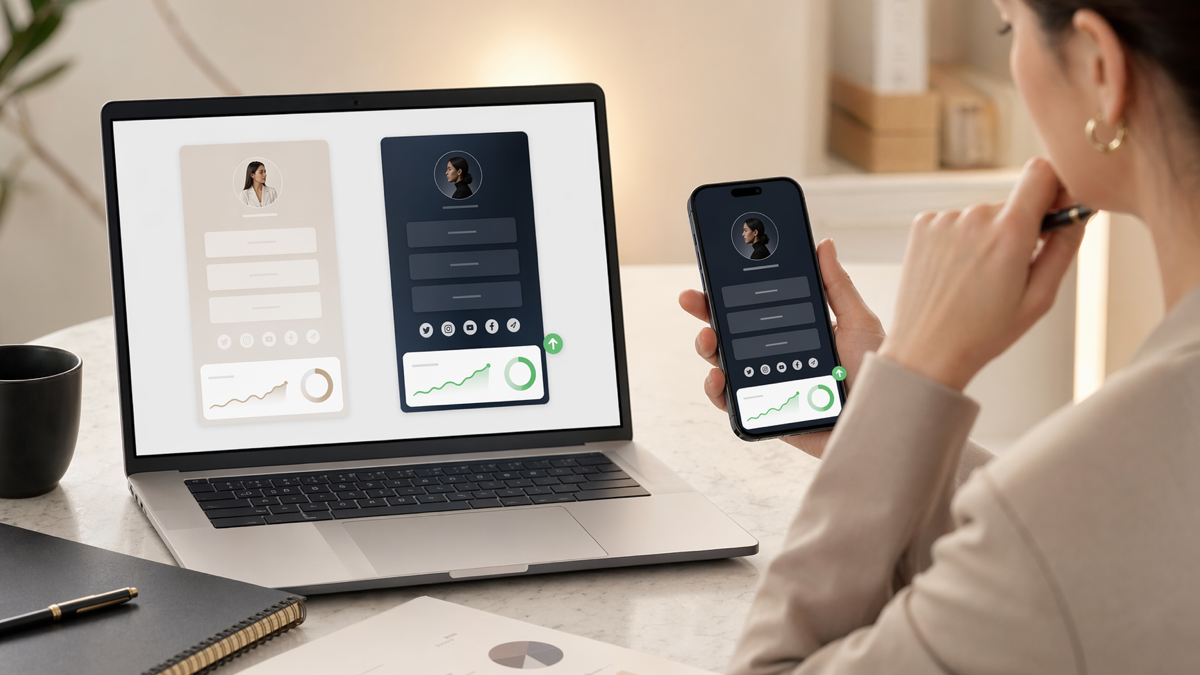
A focused page can be simple. It might be a D2eak.link bio page with one main button, a short explanation and a backup contact option. The page should load quickly and match the promise printed next to the code.
Good QR landing page structure
- Headline that repeats the offer.
- One short sentence of context.
- Primary button for the action.
- Any proof or terms needed to remove doubt.
- Secondary contact option if the primary path fails.
If your poster says "scan for Saturday tables", the landing page should not begin with your full brand story. Show Saturday availability, booking instructions or the fastest route to reserve.
Track what happens after the scan
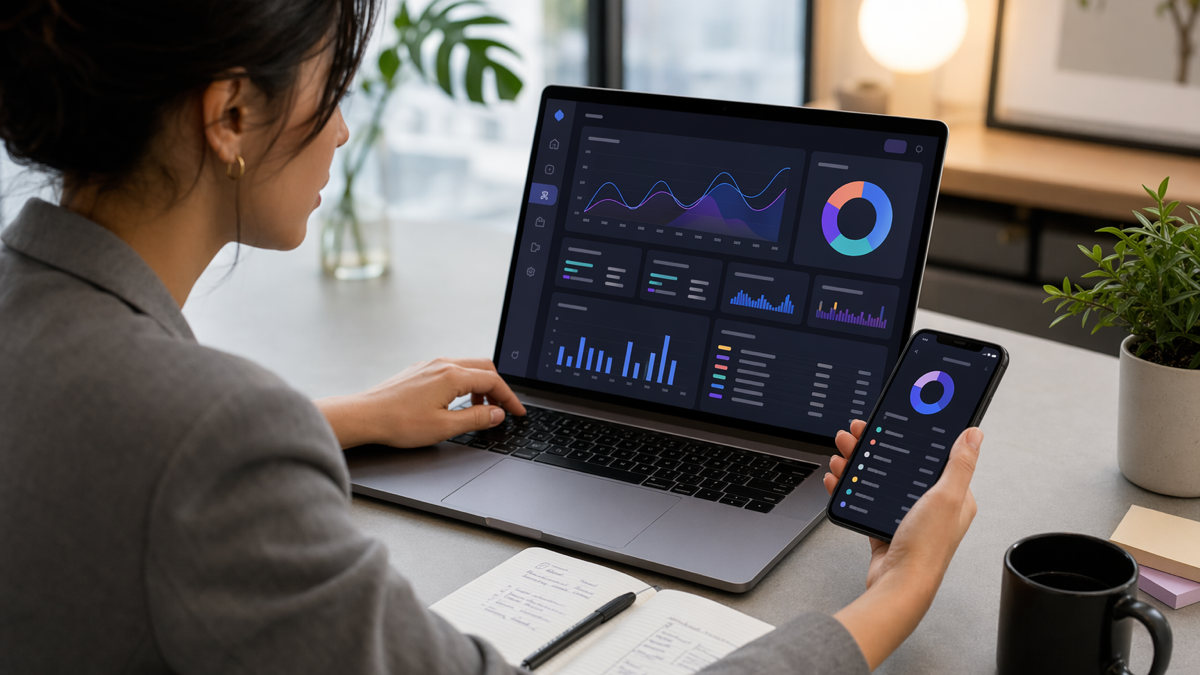
Scans are useful, but they are not the full story. A campaign with 500 scans and 3 bookings may be worse than one with 80 scans and 20 bookings. Track the click that matters after the scan, such as booking, WhatsApp, checkout or review submission.
D2eak.link helps by keeping short links, QR codes and bio pages close together. You can see which placements create interest and which ones help people take action.
Metrics worth checking
- Scans by placement.
- Clicks on the primary landing page button.
- Time patterns, such as lunch, evening or weekend spikes.
- Device mix if the destination has form issues.
- Conversion difference between print locations.
Do not drown yourself in data. Pick two or three numbers that help you make decisions. For many local campaigns, scans and primary button clicks are enough to start.
Example: cafe lunch promotion
A cafe wants more weekday lunch orders. The owner prints three QR codes: one for the shop window, one for table cards and one for a nearby office flyer. Each code goes to a D2eak.link page for the lunch menu.
The window code says "Scan for today's lunch deal". The table card says "Order another drink or dessert". The office flyer says "Pre-order lunch before 11:30". The destination pages are similar, but the top button changes to match the moment.
After two weeks, the owner sees that the office flyer gets fewer scans than the window, but more pre-orders. The table card gets many scans but mostly drinks, not food. That changes the next print run. The office flyer gets more budget. The table card gets a clearer dessert offer.
Example: salon appointment campaign
A salon has empty weekday slots. The team creates a QR code for the front window and another for cards handed to existing customers. The window code leads to a page showing this week's last-minute appointments. The customer card leads to a referral offer.
The two codes should not be combined. The passer-by and the existing customer are not in the same mindset. The passer-by needs prices, trust and availability. The existing customer needs an easy way to share the offer with a friend.
By separating the codes, the salon can see whether empty slots are being filled by local foot traffic or by referrals. That matters when deciding what to print next month.
Mistakes that kill QR campaigns
- Printing a QR code with no explanation.
- Sending scanners to a slow homepage.
- Using one code for every placement.
- Forgetting to test the code after printing.
- Letting the offer expire while the code stays live.
- Ignoring the next click after the scan.
The worst mistake is treating the QR code as the campaign. It is only the handoff. The message before the scan and the page after it do most of the work.
Build your first local QR funnel
Pick one physical placement and one action. A table card that leads to a menu. A poster that leads to a trial booking. A flyer that leads to a WhatsApp enquiry. Keep the first test small enough to understand.
Create your D2eak.link account and build a trackable QR code with a focused landing page for your next local campaign.
Review, refine and reprint
QR marketing improves when you treat print as testable. Review the scans, check the next clicks and ask staff what customers said. Then change the wording, offer or placement before the next batch.
Local businesses do not need huge marketing systems to learn faster. They need clean links, separate codes, sensible names and offers people actually want. Start there and the QR code becomes more than a square on a poster.
Related reading
If this topic is useful, these related D2eak.link guides are worth reading next: