

the agency had outgrown its link spreadsheet
Growth is usually good news until the small habits that got you there start costing time. This agency had reached that point. The team was running paid social, email campaigns, influencer briefs, print flyers and client landing pages for several accounts at once. None of that was unusual. What made it painful was the link system behind it.
Every campaign manager had their own way of creating short links. Some used one free tool. Some used another. A few pasted full tracking URLs straight into documents because they were in a hurry. QR codes lived in design folders, Slack threads and old emails. The reporting sheet had columns for campaign, platform, client, owner, final URL, UTM notes and "status", but nobody trusted it. It was a record of what someone intended to do, not what was actually live.
The agency did not need a huge marketing operations rebuild. It needed one cleaner place for links, QR codes and basic click data. It needed a system that a busy account manager could use without asking the analytics person for help every time.
what was going wrong
The obvious problem was duplicated work. A campaign manager would ask for a trackable link. Someone else would make one. A designer would need the QR code and make another because the original was hard to find. Then a client would ask which version was in the printed brochure, and nobody could answer without opening three folders and searching a chat history.
The less obvious problem was confidence. When a client asked how a specific link had performed, the agency sometimes had to hedge. The numbers existed somewhere, but they were split between tools or mixed with clicks from an old version of the same destination. That made reporting feel slower than it should have been.
A few recurring issues kept coming up:
- Short links were created under personal accounts, so access disappeared when staff changed roles.
- Campaign names were inconsistent, which made old links hard to search.
- QR codes were downloaded without a clear file name or campaign note.
- Print assets were sent to clients before the final destination URL had been checked.
- Reports relied on manual notes rather than a shared source of truth.
None of these mistakes were dramatic on their own. Together, they created drag. The agency had smart people doing avoidable admin.
the cleaner setup
The fix started with a simple rule: every campaign link had to be created in one place, with a clear owner and a plain English label. D2eak.link became the shared link layer between campaign planning and live traffic.
The agency did not try to redesign every process in one week. It started with active campaigns and high-risk links: paid ads, print QR codes, influencer bios and client-facing email buttons. Those were the links where mistakes were most visible and hardest to undo.
For each campaign, the team created a small naming convention:
- client name or short code
- campaign name
- channel or placement
- month or launch window
- destination note when the same page had multiple variants
That sounds dull because it is dull. It is also the kind of dull that saves a team two hours on a Thursday afternoon. When a link is called "northshore-spring-email-hero-may" instead of "new link 2", people can find it. When a QR code download uses the same name, the designer can place it into artwork without guessing.
how short links changed day-to-day work
The biggest improvement was not technical. It was behavioural. People stopped treating links as throwaway items. Each short link became a small campaign asset with a purpose, a destination and a history.
Before, a campaign manager might paste a destination into a document and trust that everyone would use it. After the change, they created the short link once and shared that instead. If the landing page changed before launch, the short link could be updated without asking every person to replace a long URL in their own files.
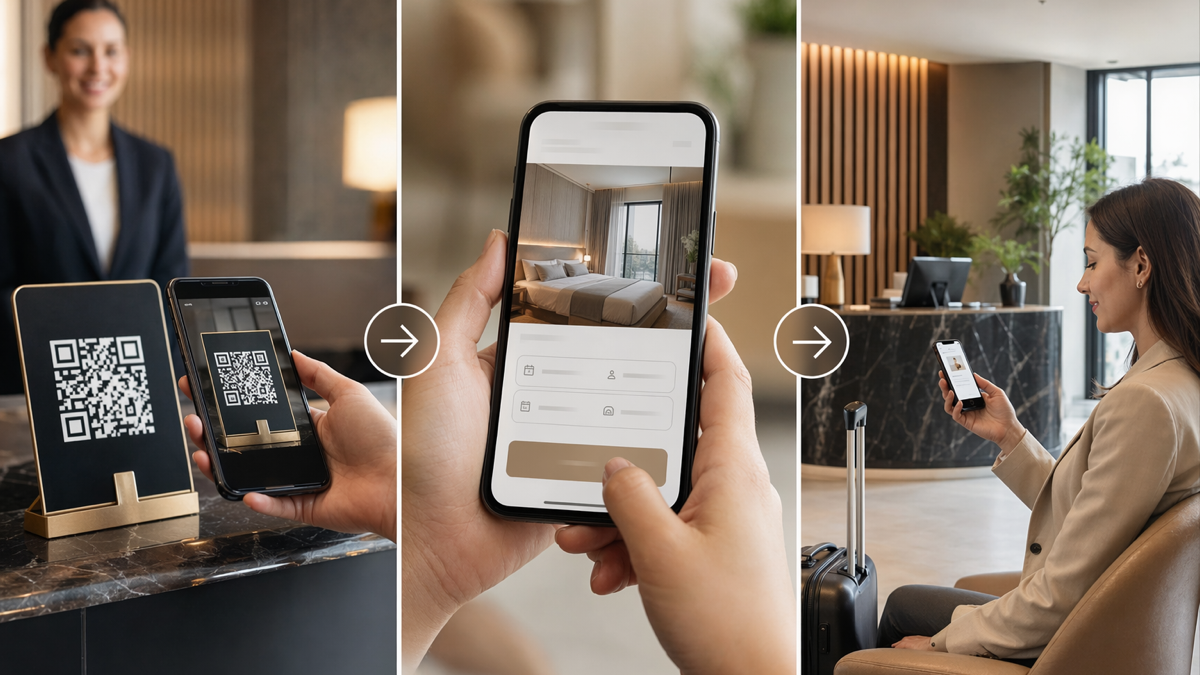
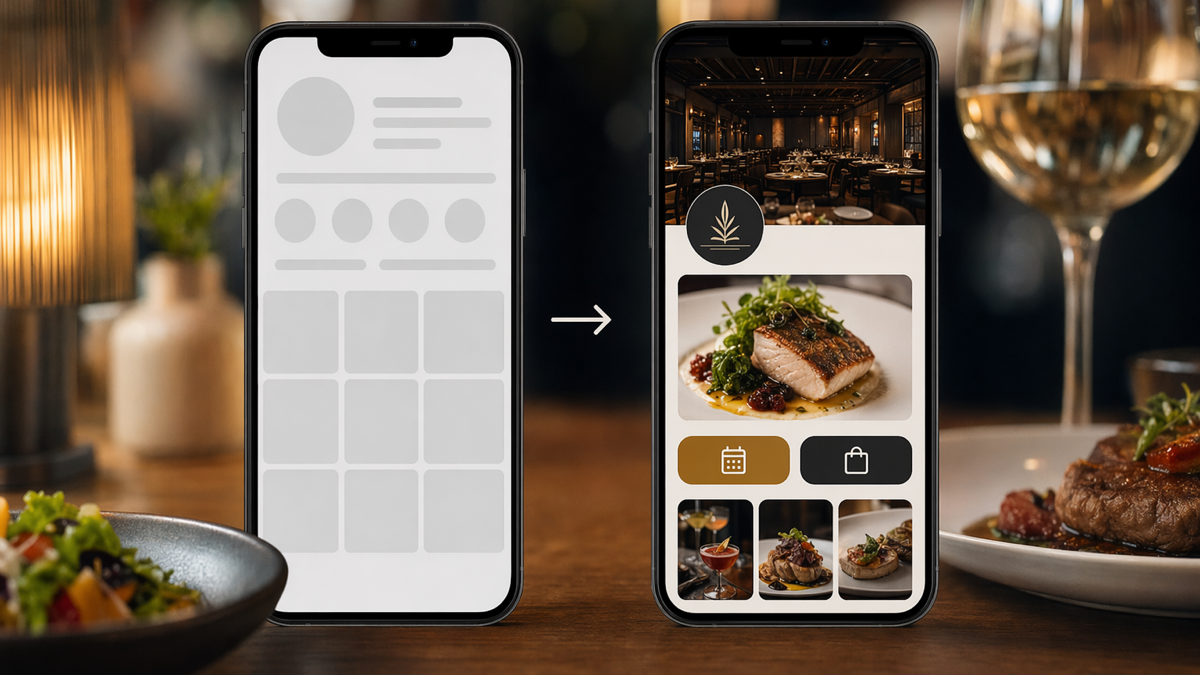
That mattered most for print. One client had seasonal menus with QR codes printed on table cards. Previously, the agency would panic if the restaurant changed the booking page after the artwork went to print. With a managed short link behind the QR code, the printed code could stay the same while the destination moved to the right page.
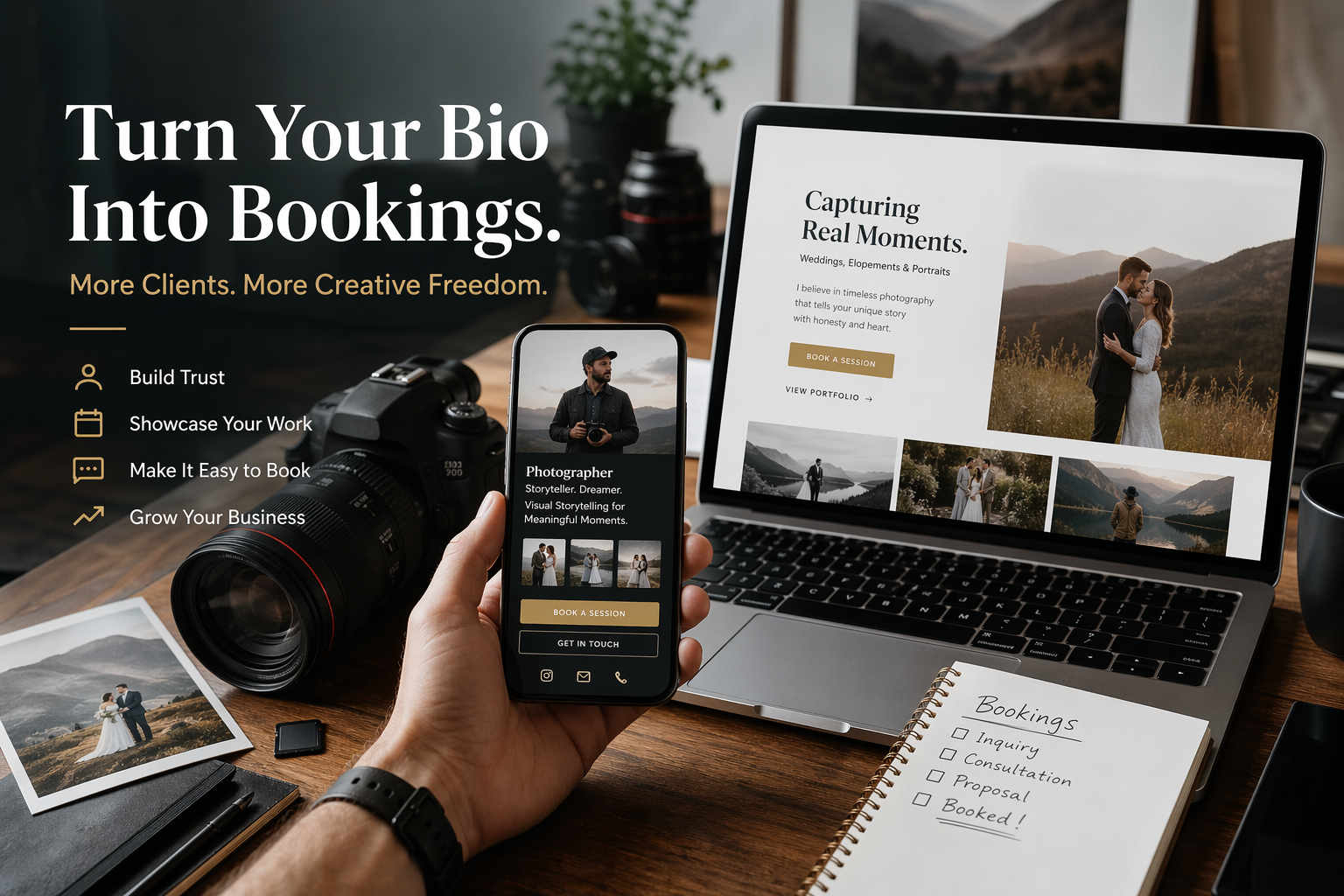
The same approach helped with influencer campaigns. Creators often ask for a link in a format that is easy to paste into a profile or story. A clean branded short link is easier to share than a long URL packed with parameters. It also looks less suspicious to customers who are deciding whether to tap.
practical examples from the new workflow
The agency built a few repeatable patterns. They were simple enough that new staff could follow them after one walkthrough.
paid social launch links
For paid social, the campaign manager created one short link per ad group or creative set. The final destination still carried the correct tracking parameters, but the working link stayed readable inside briefs and approvals. When the client checked the ad copy, they saw a tidy link rather than a line of tracking code.
This made QA easier. Before launch, the manager opened each short link and checked that it landed on the expected page, on both desktop and mobile. If a link landed on the wrong offer, they fixed the destination in one place rather than editing multiple ads one by one.
email campaign buttons
For emails, the team used a short link for each main call to action. The email platform still had its own analytics, but D2eak.link gave the team a quick independent view of whether people were clicking. That was useful when a client asked for an early read before the full email report was ready.
print QR codes
For print, the team created the short link first, checked the landing page, then generated the QR code from that link. The QR code file name matched the campaign label. The designer placed it into the artwork and the account manager scanned the proof before sending it to the client. It added a small step, but it removed a bigger risk.
what the agency measured
The agency did not pretend that short-link analytics would replace a full analytics stack. That would have been silly. What it needed was quick operational feedback: did the link work, did anyone click it, and which campaign asset sent the traffic?
The useful measures were practical:
- clicks by link, so teams could compare placements without digging through long reports
- click timing, so they could spot activity after an email send or event launch
- QR code use, especially for printed material where other tracking was harder
- inactive or old links, so campaign managers could clean up stale assets
This changed reporting conversations. Instead of saying "we need to check the sheet", the manager could open the link dashboard and give a direct answer. It was not always the final answer, but it was a much better first answer.
the handover problem got smaller
Agency work always has handovers. People go on leave. Accounts move between managers. Freelancers help with busy periods. A link system built around personal habits breaks under that pressure.
Once the agency moved links into one shared workflow, handovers became calmer. A new manager could search by client and campaign, see the live links, scan the labels and understand what was in market. They did not have to ask who created a QR code three months ago or whether a short link still pointed to the correct landing page.
The team also added a light review habit. At the end of a campaign, the owner checked the links, added a note to the client report and archived anything that should not be reused. That kept the account tidy without turning link management into a separate job.
common mistakes the agency avoided
A cleaner system does not help if people use it lazily. The agency agreed on a few rules after the first month.
- Do not create one generic link for every placement if the campaign needs placement-level reporting.
- Do not hide the destination. Anyone approving the link should know where it goes.
- Do not reuse old QR codes without checking the destination first.
- Do not let private accounts hold client assets.
- Do not make labels clever. Make them searchable.
The last point was the one people laughed about and then appreciated later. A searchable label beats an internal joke every time.
what changed after a month
After a month, the agency had fewer small link questions in chat. Designers knew where to get QR codes. Account managers could answer basic click questions faster. The analytics person was pulled into fewer minor requests and could spend more time on proper campaign analysis.
The team also had a clearer pre-launch checklist:
- Create the short link in the shared account.
- Use the agreed campaign name.
- Check the destination on mobile.
- Generate the QR code if print or offline placement is involved.
- Add the link to the campaign brief.
- Review clicks after launch and flag anything odd.
No one described the change as glamorous. That was the point. Good operations often feel almost boring once they work. The work gets quieter. People stop losing time to the same small confusion.
why this matters for growing teams
A solo marketer can get away with messy links for a while. A growing agency cannot. More clients means more campaigns, more approvals, more people touching the same assets and more chances for a tiny mistake to become visible.
A short-link system gives the team a practical middle layer. It does not replace strategy, creative work or analytics. It simply gives every campaign asset a cleaner route from plan to click. That is enough to make the day feel less chaotic.
If your team is still managing campaign links through spreadsheets, old messages and personal accounts, it is probably costing more time than you think. Start with the links that matter most: paid campaigns, QR codes, email buttons and anything going to print. Put them in one place. Name them properly. Check them before launch.
try the same approach
D2eak.link is built for teams that want cleaner short links, QR codes and link reporting without adding a heavy process around every campaign. If you are ready to tidy the link layer before the next launch, create a D2eak.link account and set up your first campaign links.
the takeaway
The agency did not need a dramatic transformation. It needed less guessing. By moving campaign links, QR codes and quick click checks into one shared system, the team made everyday work smoother. Clients got faster answers. Staff had fewer loose ends. The campaign spreadsheet finally became supporting documentation rather than the only thing holding the process together.
Related reading
If this topic is useful, these related D2eak.link guides are worth reading next: