
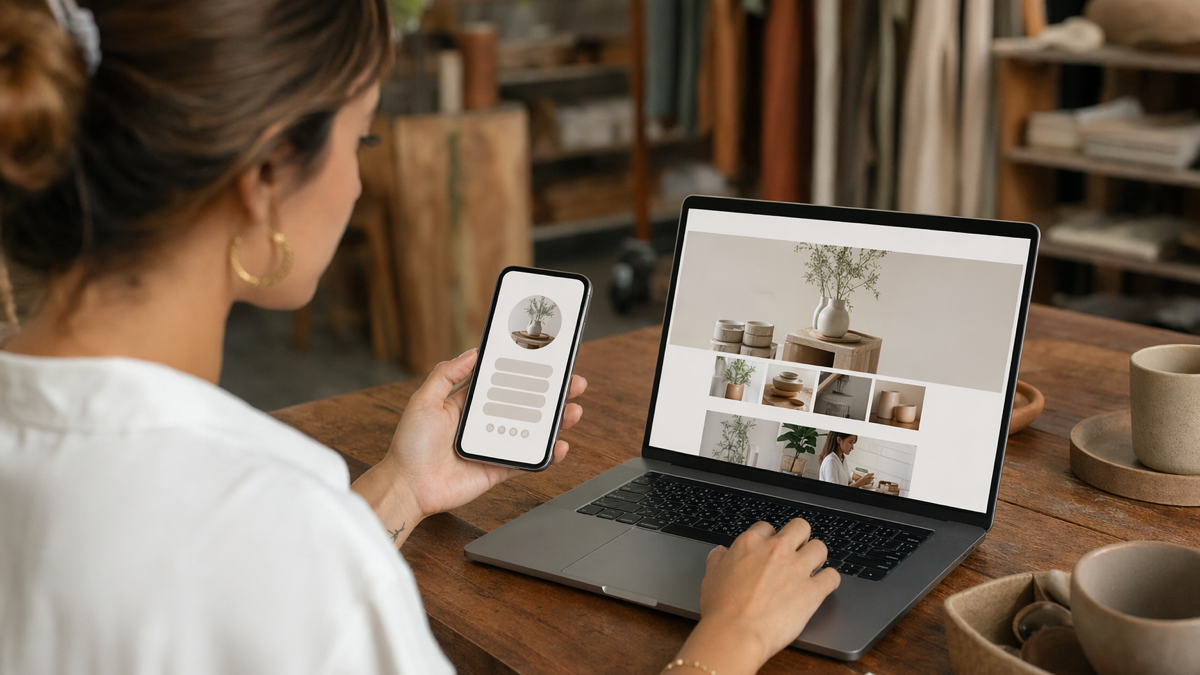
Small businesses are often told they need a proper website before they can market themselves seriously. Sometimes that is true. Sometimes it is expensive procrastination. A focused bio page can be enough to take bookings, show key links, promote an offer and look credible while the business proves what customers actually need. The right first step depends on the job the page has to do.
The details differ by business, but the pattern is the same: make the next step obvious, keep the destination editable where possible, and measure the channels that matter. A tidy setup beats a crowded one because customers are busy and impatient.
what a bio page is good at
- Launching quickly before a full site is ready.
- Testing which offer gets attention.
- Routing social visitors to the right action.
- Giving printed QR codes a simple destination.
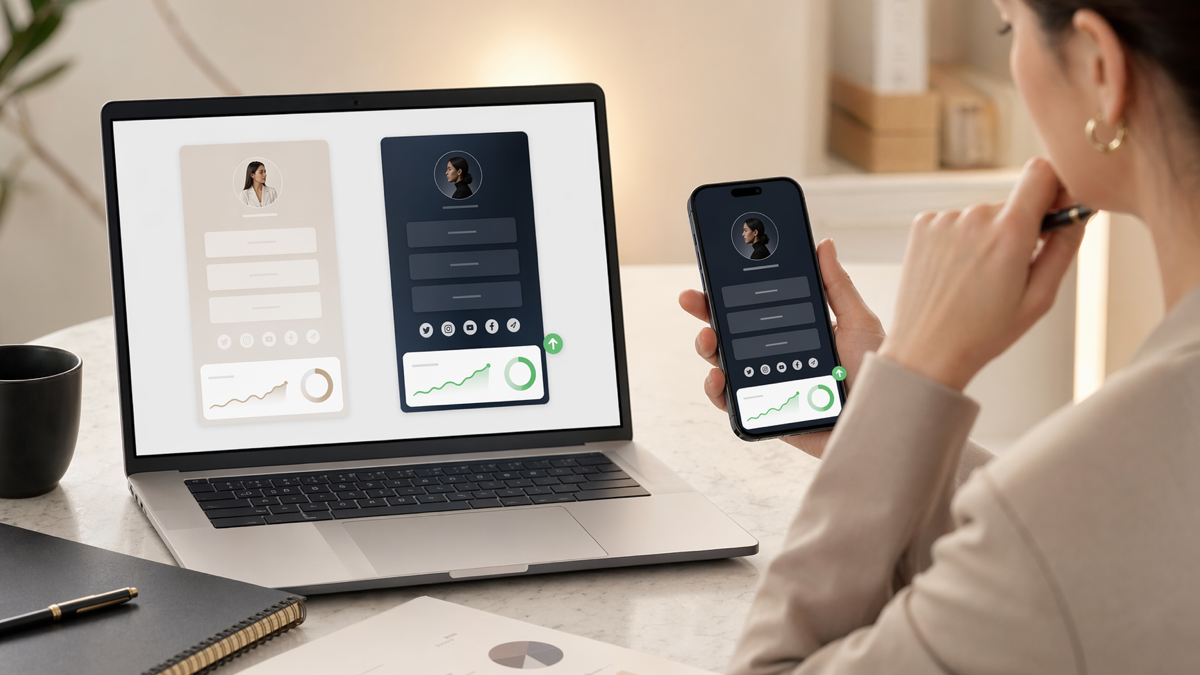
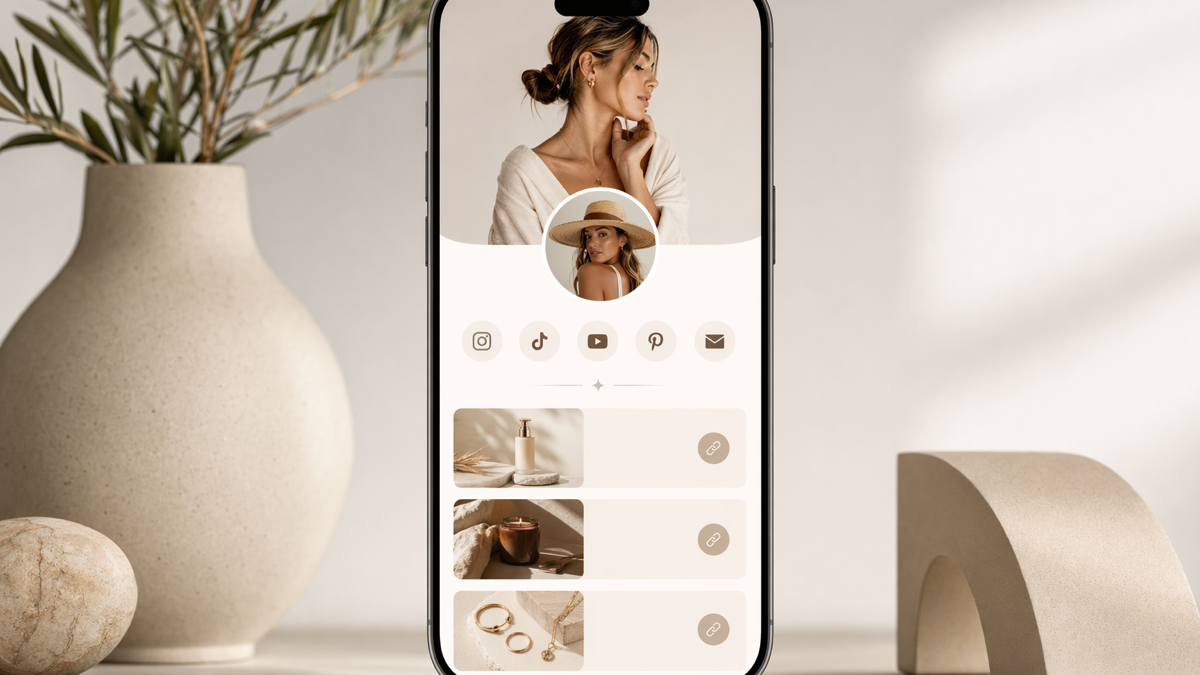
A bio page is good when you need speed, clarity and a small number of actions. It can collect enquiries, point to a booking system, show a menu, share a portfolio, promote one offer or route people from social channels. It is especially useful when the business is still changing.
The cost is that a bio page has limited depth. It will not usually rank well for many search terms, explain complex services or replace a full content library. It is a front door, not the whole building.
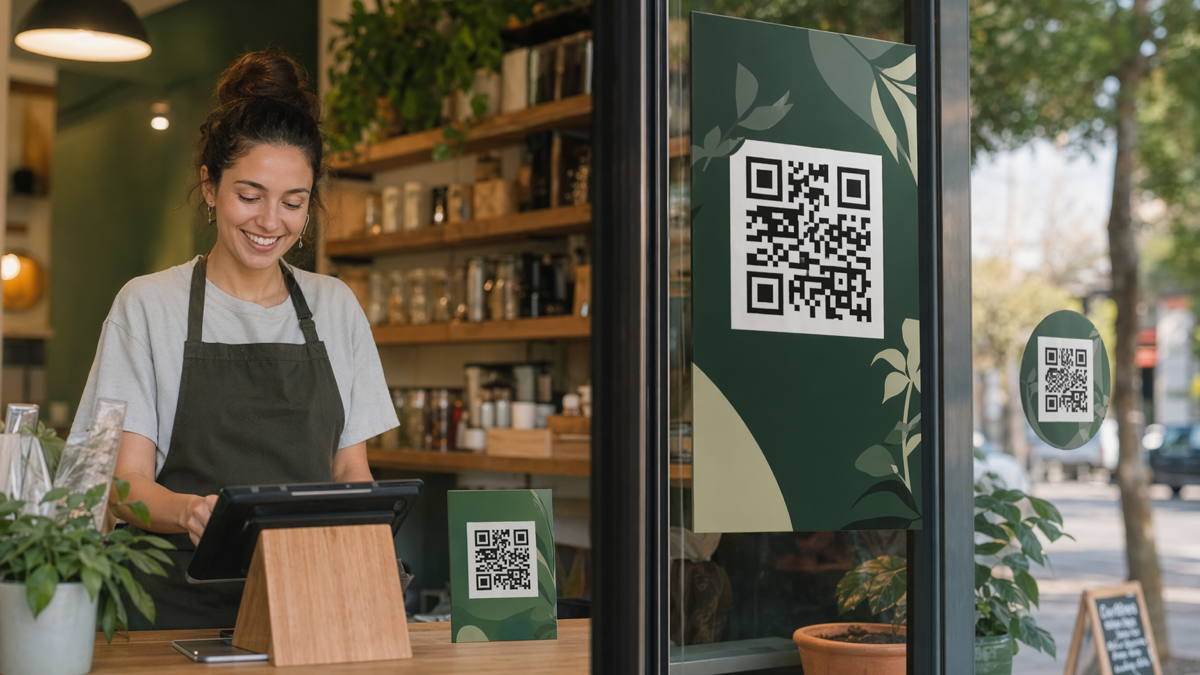
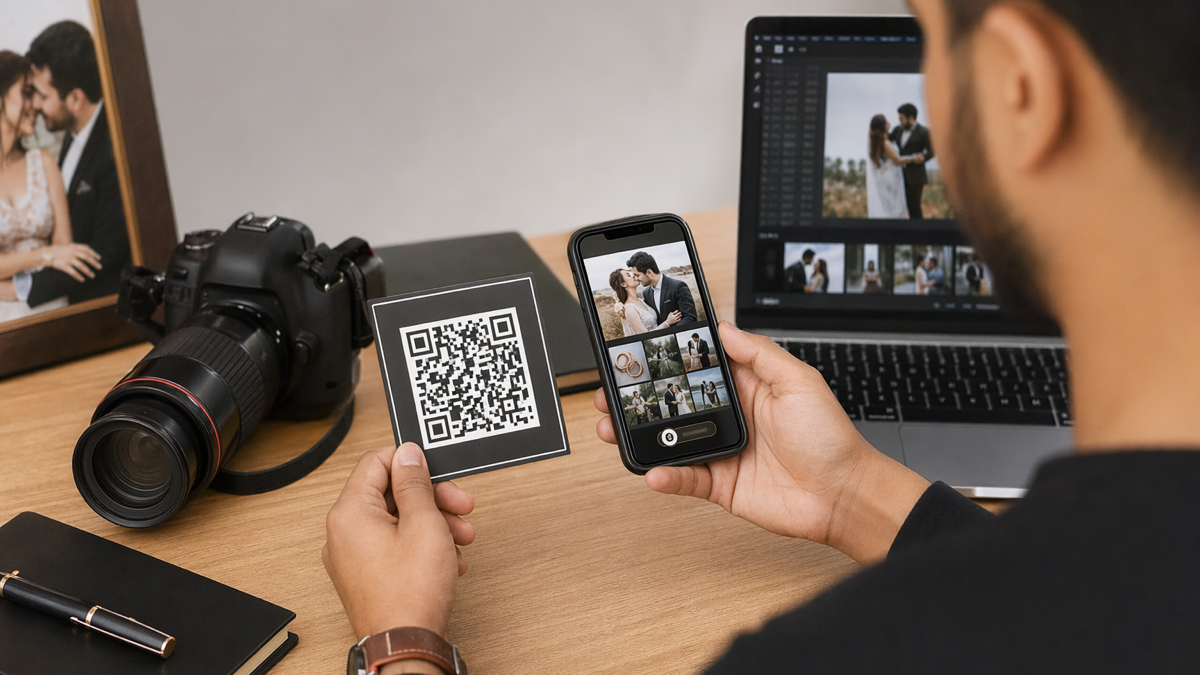
A practical example helps. Imagine the business prints this on 500 cards, adds it to a social profile and mentions it in customer messages. If the wording is vague or the destination is wrong, every channel repeats the same mistake. If the link is branded, editable and measured, the team can fix the route and learn from the result.
what a website is good at
A website is better when customers need detail before they buy. Service pages, case studies, location pages, FAQs, policies and search traffic all need more structure than a bio page can comfortably provide. A website also gives you more control over credibility.
If people compare you with competitors, search for local services, read reviews, check opening hours or need reassurance before spending, a website earns its keep. The question is whether you need that depth now or whether you are using the website project to delay selling.
A practical example helps. Imagine the business prints this on 500 cards, adds it to a social profile and mentions it in customer messages. If the wording is vague or the destination is wrong, every channel repeats the same mistake. If the link is branded, editable and measured, the team can fix the route and learn from the result.
choose based on the next business problem
- Need bookings now: bio page.
- Need search traffic: website.
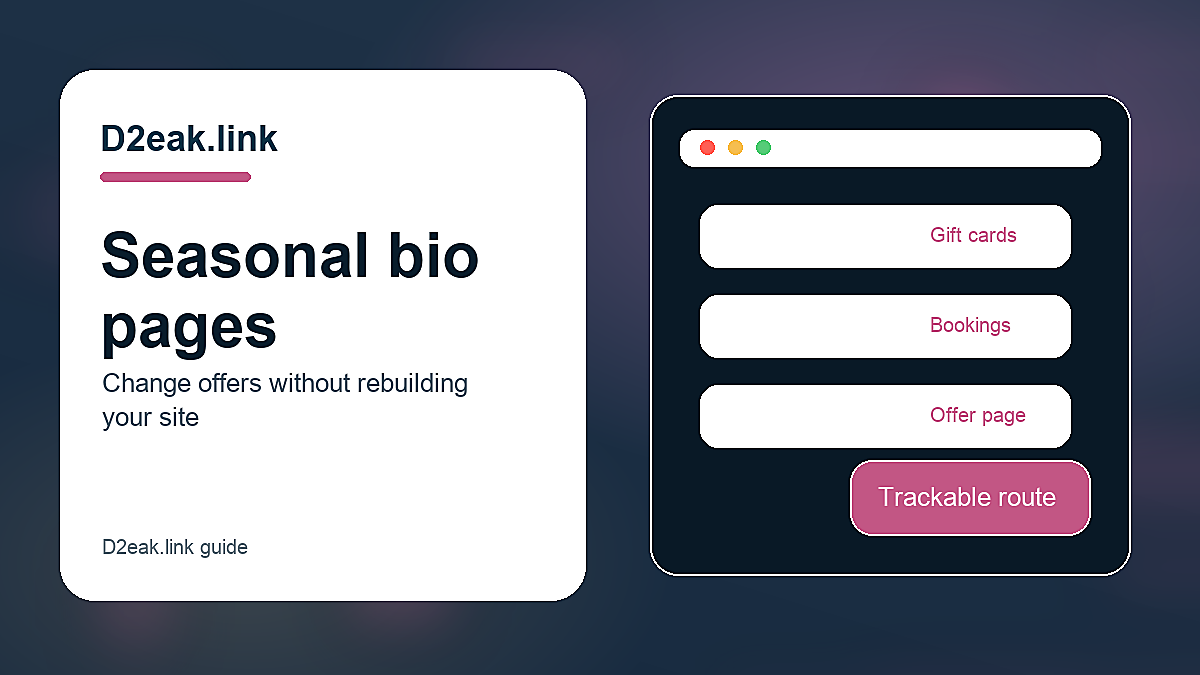
- Need campaign routing: bio page with tracked links.
- Need detailed trust proof: website.
If the problem is "people ask where to book", start with a bio page. If the problem is "people do not understand what we do", you may need a website. If the problem is "we need to appear in local search", a website and business profile work matter more. If the problem is "we have five links and nowhere tidy to put them", a bio page is enough.
Small businesses often benefit from sequencing. Build the simple page first, use it in the wild, learn which links and offers get attention, then use that evidence to shape the website. That is better than spending months on pages nobody asked for.
A practical example helps. Imagine the business prints this on 500 cards, adds it to a social profile and mentions it in customer messages. If the wording is vague or the destination is wrong, every channel repeats the same mistake. If the link is branded, editable and measured, the team can fix the route and learn from the result.
when a bio page is enough for now
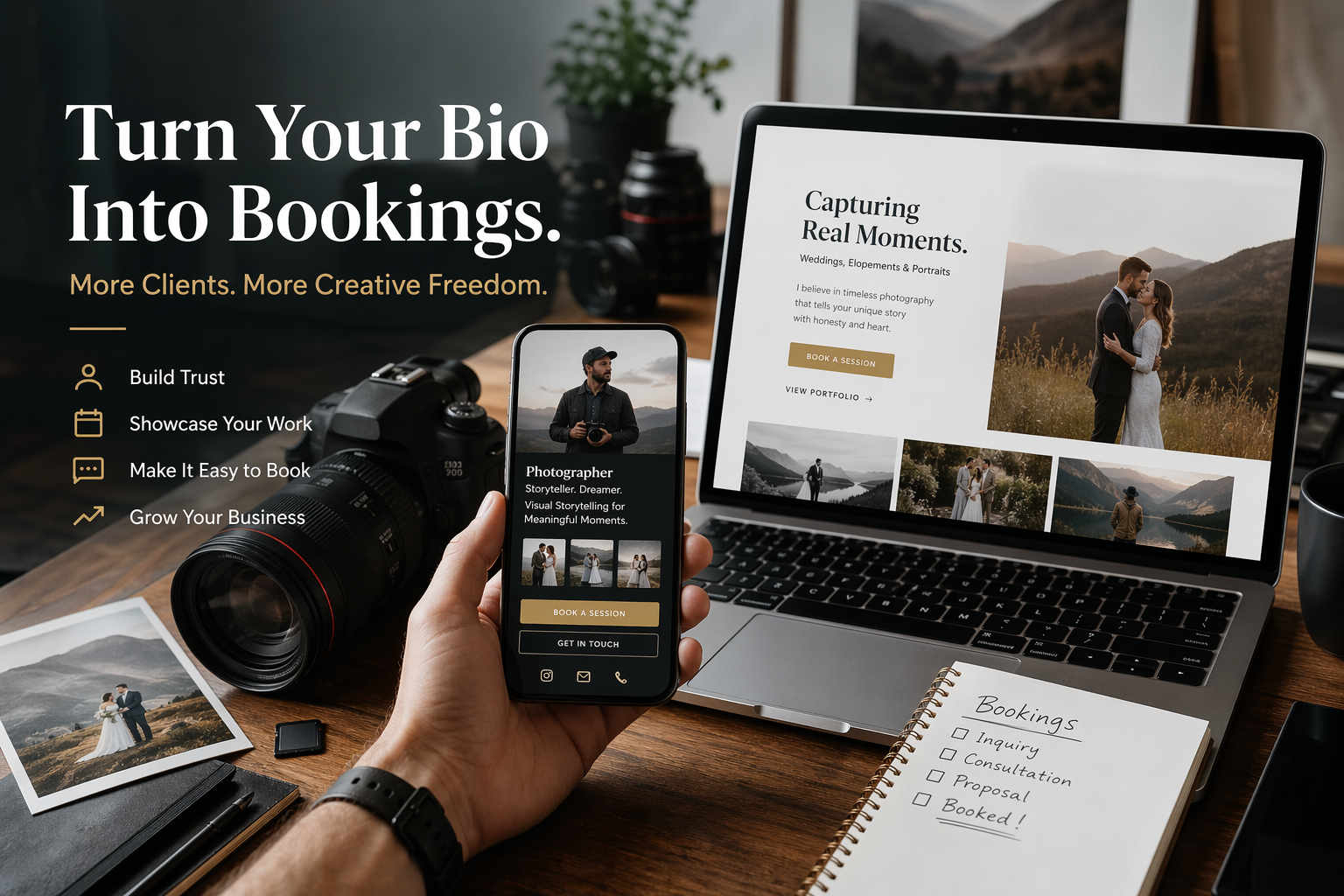
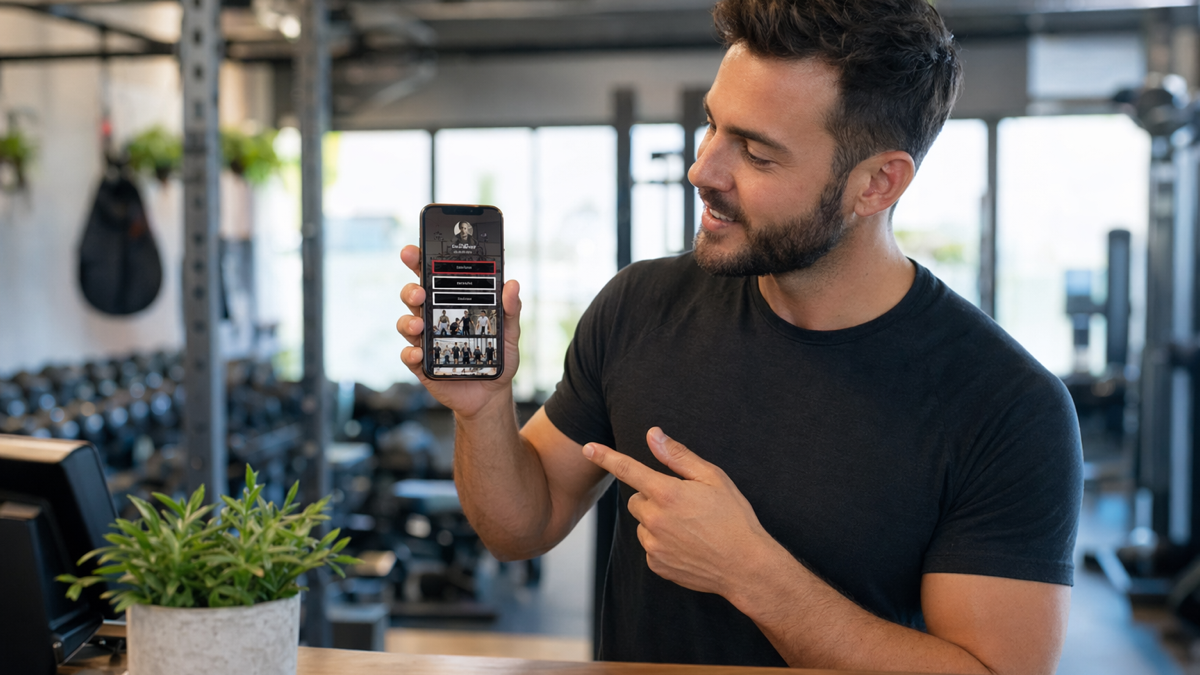
A mobile hairdresser, photographer, pop-up food brand, personal trainer or market seller may only need a page that shows the offer, location, booking route and social proof. If customers mostly arrive from Instagram, referrals or QR codes, a compact page can perform well.
The page should still look credible. Use a clear name, short description, real contact route and links that work. Cheap does not have to mean careless. A well-edited bio page beats an unfinished website with broken pages.
A practical example helps. Imagine the business prints this on 500 cards, adds it to a social profile and mentions it in customer messages. If the wording is vague or the destination is wrong, every channel repeats the same mistake. If the link is branded, editable and measured, the team can fix the route and learn from the result.
when skipping the website becomes costly
A bio page starts to creak when you need multiple service pages, search visibility, detailed pricing, long explanations, hiring pages, case studies or integrations. It can also feel thin for higher value services where customers expect more proof before contacting you.
At that point, the bio page can remain useful as a campaign hub while the website becomes the main trust asset. The two do not have to compete. The bio page can route fast-moving traffic; the website can handle research and search.
A practical example helps. Imagine the business prints this on 500 cards, adds it to a social profile and mentions it in customer messages. If the wording is vague or the destination is wrong, every channel repeats the same mistake. If the link is branded, editable and measured, the team can fix the route and learn from the result.
a sensible first 30 days
Create the bio page first if you can publish it this week. Add the main action, two or three supporting links, a branded short URL and QR code for offline use. Watch what people tap. Ask customers whether anything was missing. Keep notes.
If the same questions keep coming up, those questions become website pages later. Pricing, locations, examples, process and FAQs should be based on real customer friction, not a generic website checklist.
A practical example helps. Imagine the business prints this on 500 cards, adds it to a social profile and mentions it in customer messages. If the wording is vague or the destination is wrong, every channel repeats the same mistake. If the link is branded, editable and measured, the team can fix the route and learn from the result.
put it into practice
The safest approach is to start with one high-value action and build around it. Do not add links or codes because the tool allows it. Add them because they help a real customer do something useful.
If you want one place to create branded short links, editable QR codes and simple bio pages, create a free D2eak.link account and build your first campaign in a few minutes.
Review the setup after real people have used it. Remove what nobody taps. Rewrite anything that causes confusion. Keep the links and codes that clearly move people towards bookings, orders, enquiries or repeat visits.
how the two can work together
The best answer is often not bio page or website forever. It is bio page now, website when the evidence justifies it, and both once the business has enough traffic to need different routes. The bio page remains useful for social profiles, QR codes, events and temporary offers even after a full website exists.
Think of the website as the library and the bio page as the reception desk. The library holds the detail. The reception desk sends people to the right place quickly. If you force every visitor through the library entrance when they only want to book, you add friction. If you only have a reception desk when people need proof and detail, you look thin.
budget and maintenance matter
A website is not a one-time purchase if it is meant to work. Someone has to update opening hours, prices, photos, plugins, forms, analytics and broken links. A cheap website that nobody maintains can become less trustworthy than a well-kept bio page.
A bio page also needs care, but the maintenance load is smaller. That makes it useful for owners who are still testing services, changing offers or working alone. Spend the saved time talking to customers and improving the offer. Build more structure when the business has enough proof to justify it.
do not wait for perfect branding
Many owners delay publishing because the logo, photos or copy are not perfect. A rough but accurate page can start collecting enquiries while the brand improves. Use real photos if you have them, plain language and a contact route that works. That is enough to begin.
The danger is polishing in private for months. Customers will teach you faster than a blank planning document. A bio page is a useful first version because it is small enough to change without drama. Once the offer stabilises, a website becomes easier to brief and cheaper to get right.
quick check before publishing
Before sending the page or code live, open it on a phone, follow the main action, and ask whether a first-time visitor would understand the next step without extra explanation. If the answer is no, cut one thing or rewrite the prompt before promoting it.
Related reading
If this topic is useful, these related D2eak.link guides are worth reading next: