
Short links used to be a tidy way to save space. Now they do a much bigger job. A link can make someone trust a message, ignore a message, scan a QR code, share a campaign with a colleague, or assume the whole thing is spam. That is why the choice between a generic shortener and a branded link setup matters more than most teams expect.
Bitly is familiar, and familiarity has value. A branded link platform, however, gives you control over the part of the link people actually see. The better choice depends on how much trust you need to earn, how carefully you track campaigns, and whether the link is part of your brand or just a piece of plumbing.
why link trust has become harder to earn
People have learned to be cautious around shortened URLs. They see them in phishing texts, fake delivery alerts and social posts that try to hide the destination. A short link is not automatically suspicious, but it starts with a trust problem unless the context is clear.
generic short links ask people to guess
A generic domain gives the reader very little to work with. If a customer receives a message from a restaurant, photographer or shop, a link that visibly belongs to that business feels safer than a random-looking shortened URL. The point is not that every branded link gets clicked. The point is that it removes one small reason to hesitate.
This matters most in channels where people make snap decisions: SMS, WhatsApp, Instagram bios, printed menus, flyers, posters and email footers. In those places, users rarely inspect the full destination. They look for recognisable signals. Your brand name in the link is one of those signals.
- A salon sending appointment reminders should use a link that looks like the salon, not an unrelated short domain.
- A charity collecting donations should avoid hiding the destination behind a generic URL.
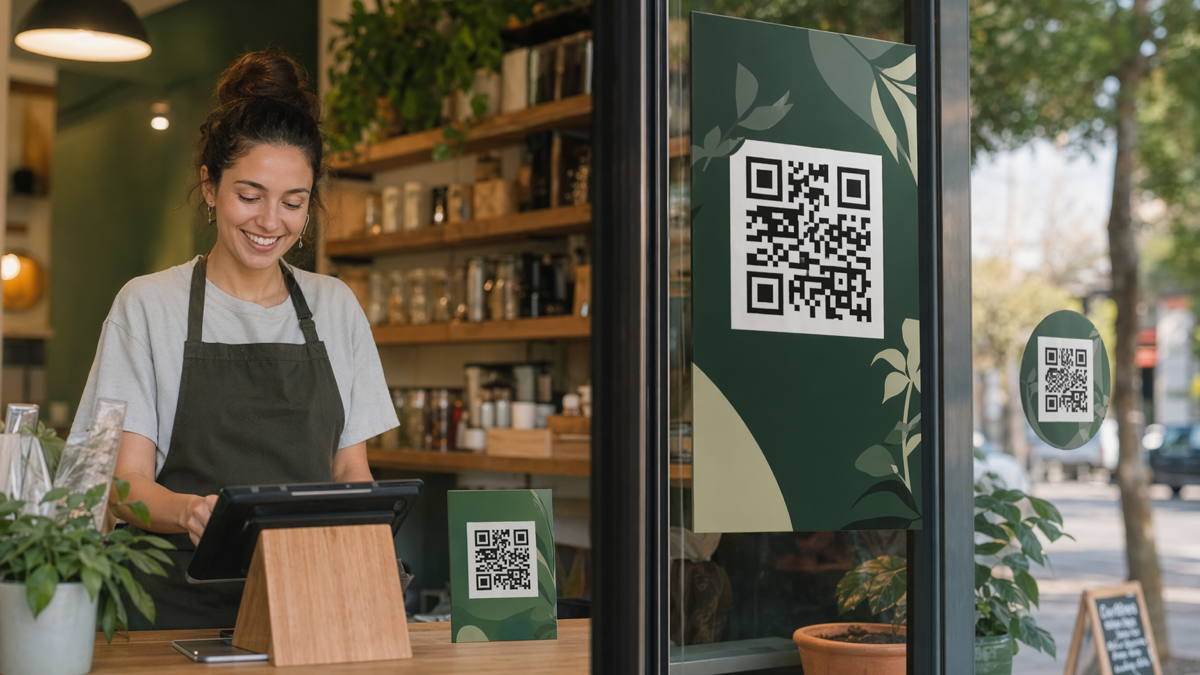
- A local takeaway putting QR codes on receipts should keep the brand visible after the scan.
branded links make the click feel connected
A branded link works because it keeps the message, the sender and the destination in the same mental lane. If the post says your business name, the link says your business name, and the landing page says your business name, the user does not have to reconcile three different identities. That sounds simple, but it is exactly where many campaigns lose people.
Trust is not only a security issue. It is also a conversion issue. If a link feels off, people delay the click, ask someone else, or forget about it. A slightly clearer link can be the difference between an immediate action and no action at all.
where Bitly still makes sense
Bitly is not a bad choice. For many teams it is the first shortener they used, and it covers the basics well. The question is whether the basics are enough for the work you are doing now.
quick sharing and simple reporting
If you need to shorten a link for a one-off internal message, Bitly can do that quickly. If you are tracking a small number of social posts and you only care about total clicks, it may be perfectly adequate. Familiar tools often win because the team already knows where the buttons are.
Bitly also benefits from broad recognition. Some users have seen bit.ly links for years, so the domain itself may not scare them. That recognition, though, is shared by everyone. Your competitor, a spammer and your own brand can all use the same visible domain.
- Use it for low-risk links where brand perception is not important.
- Use it when you need a disposable short URL for a temporary note.
- Avoid relying on it as the public face of a serious campaign.
the limits appear when campaigns multiply
The weaknesses show up when you have different teams creating links, different channels driving traffic and different offers running at the same time. A generic shortener can become a messy drawer of links unless someone enforces naming, tagging and ownership.
The issue is not only the tool. It is the habit the tool encourages. If anyone can create any short link without a naming convention, you soon have links that nobody can explain six months later. That makes reporting less useful and campaign clean-up harder.
what branded short links do better
they carry your name into every channel
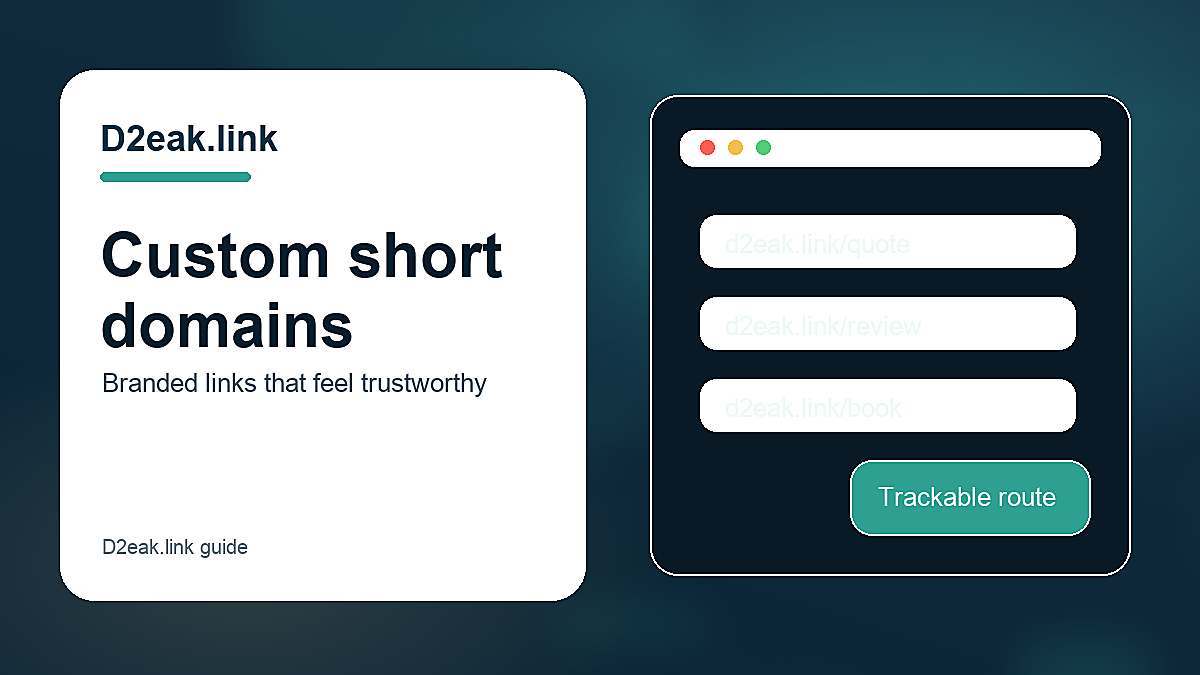
A branded short link turns the URL into a small piece of brand media. It is not as visible as a logo, but it appears at the exact moment someone decides whether to click. For businesses that depend on repeat visits, referrals or local trust, that small signal is worth protecting.
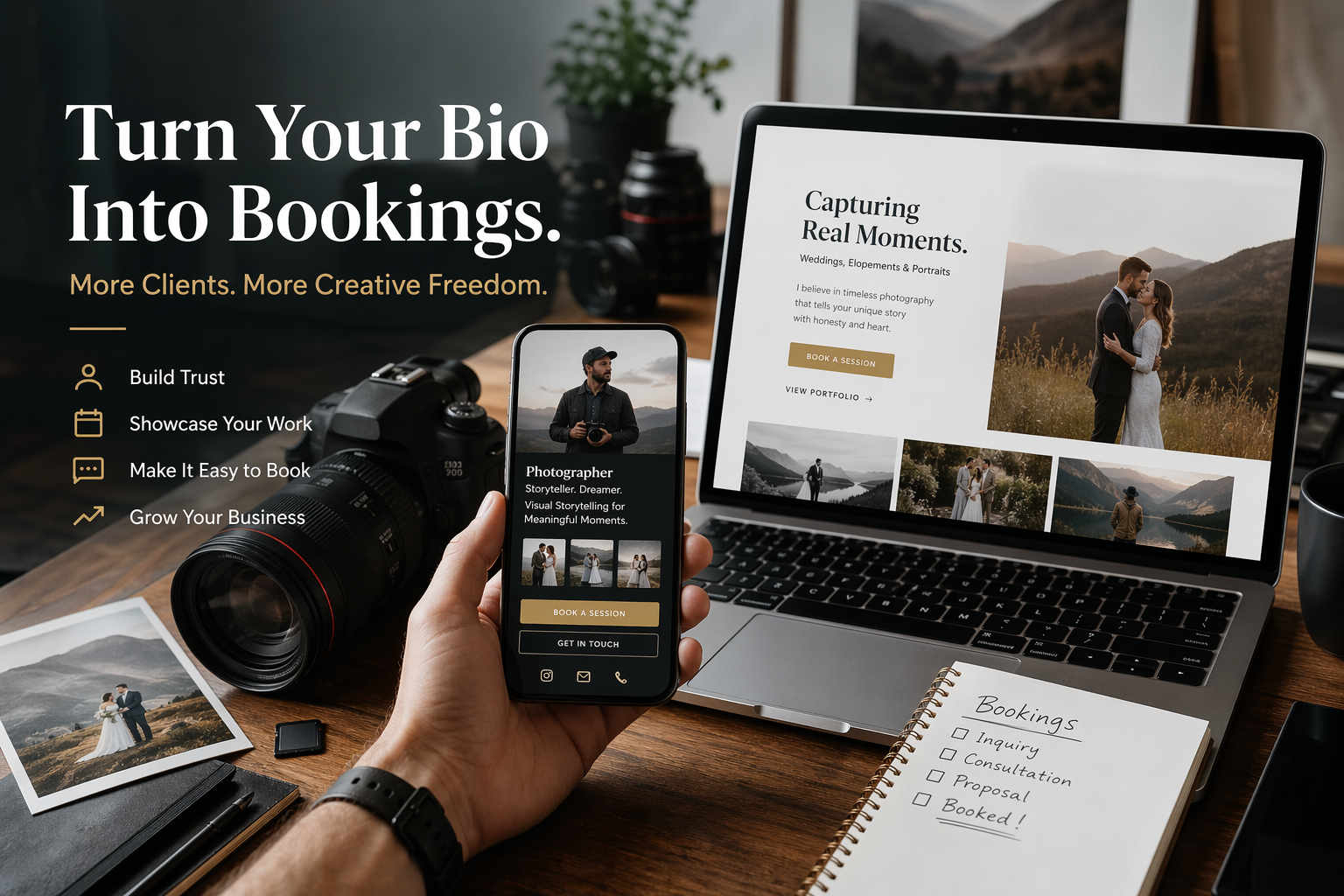
Think about a wedding photographer sending galleries, a restaurant promoting a reorder page, or a consultant sharing a booking link. In each case, the link is part of the experience. A clear branded URL feels more deliberate than a generic shortened address.
they are easier to organise around campaigns
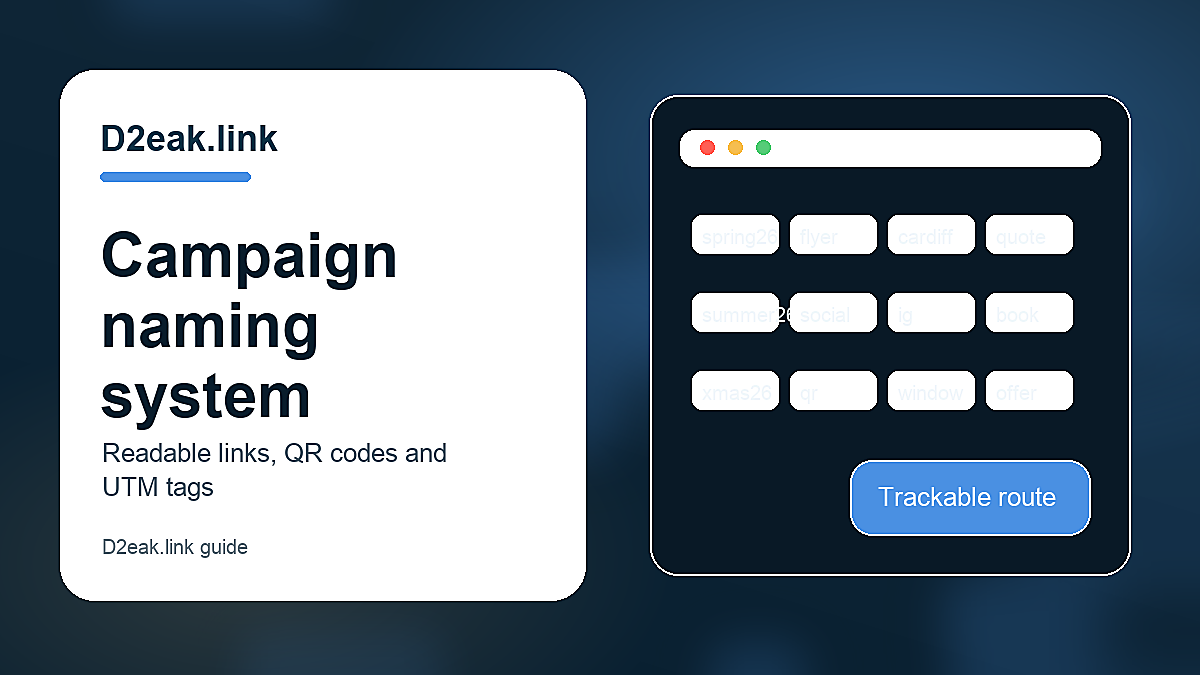
Good branded link workflows usually encourage campaign names, channel labels and destinations that can be understood later. A link for summer menus, a QR code for table tents and a link in the Instagram bio can all point to related destinations while staying separate in reporting.
That separation matters when you ask practical questions. Did the flyer work? Did the email drive bookings? Did the QR code on receipts bring people back? If everything goes through one undifferentiated link, you can only guess.
- Create one link per channel when the channel matters.
- Use readable slugs so a human can understand the link without opening a dashboard.
- Keep old links live if they are printed, but update the destination when the campaign changes.
tracking: what you should actually compare
Do not compare tools by counting dashboard charts. Compare them by the decisions those charts help you make.
click counts are only the starting point
A total click number is useful, but it is blunt. You need to know where clicks came from, when they happened, and whether they were tied to a specific campaign asset. A link on a receipt behaves differently from a link in an email, even if both send people to the same page.
For small businesses, this does not need to become a data science project. You need enough tracking to stop arguing from feelings. If a QR code on packaging brings steady visits and a poster brings none, the next print run should reflect that.
QR tracking changes the picture
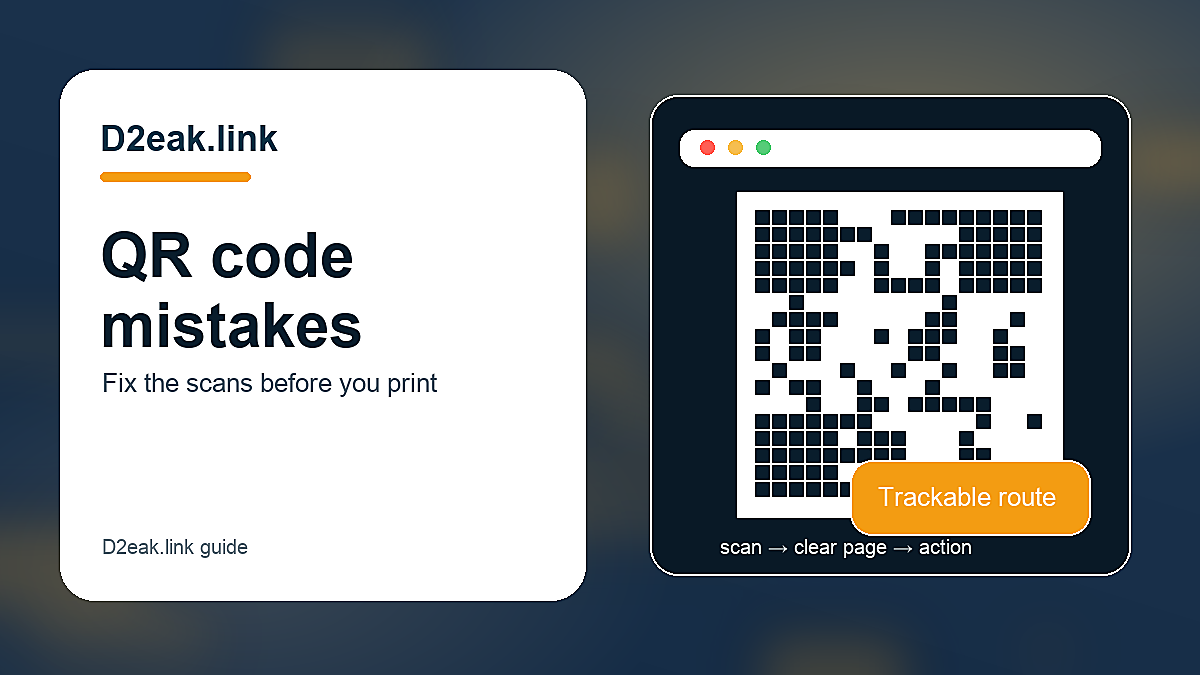
Many link campaigns now start with a scan rather than a tap. That is where dynamic QR codes and short links overlap. The QR code needs a destination, and the destination needs tracking. If the short link can be edited later, the printed code becomes much less risky.
Bitly can handle QR code use cases, but a platform built around branded links, bio pages and editable QR campaigns may fit better if you want everything in one place. The practical value is less tab switching and fewer orphaned links.
how to choose between the two
choose Bitly when speed matters more than ownership
Bitly is fine when you need to shorten a link quickly, you do not need your own visible domain, and the link will not represent the brand for long. Internal documents, short-lived social posts and small experiments can sit comfortably there.
The trap is letting a temporary tool become the default for every public link. Once printed materials, customer messages and paid campaigns rely on generic links, changing later becomes more awkward.
choose branded links when the link is part of the customer journey
If customers will see the link before they trust you, use a branded link. If the link will be printed, shared by staff, used in paid ads, attached to a QR code, or measured as part of a campaign, use a branded setup. It is cleaner now and easier to manage later.
A simple rule works well: the more public, permanent or commercial the link is, the more it deserves your own branding and tracking.
- Public and permanent: use branded links.
- Private and temporary: a generic shortener may be enough.
- Printed or QR based: use editable tracked links.
- Customer-facing and revenue-related: keep the brand visible.
a practical setup for a small team
Start with a handful of links, not a giant migration. Create branded links for your highest visibility destinations: booking, menu, pricing, portfolio, support and current offer. Give each one a clear slug. Then create separate campaign links for channels you want to measure, such as bio, flyer, receipt, email and QR.
Review the dashboard once a week for the first month. Do not obsess over tiny changes. Look for patterns you can act on. If one channel gets attention but few conversions, the landing page may be wrong. If one QR placement gets almost no scans, the placement or call to action probably needs work.
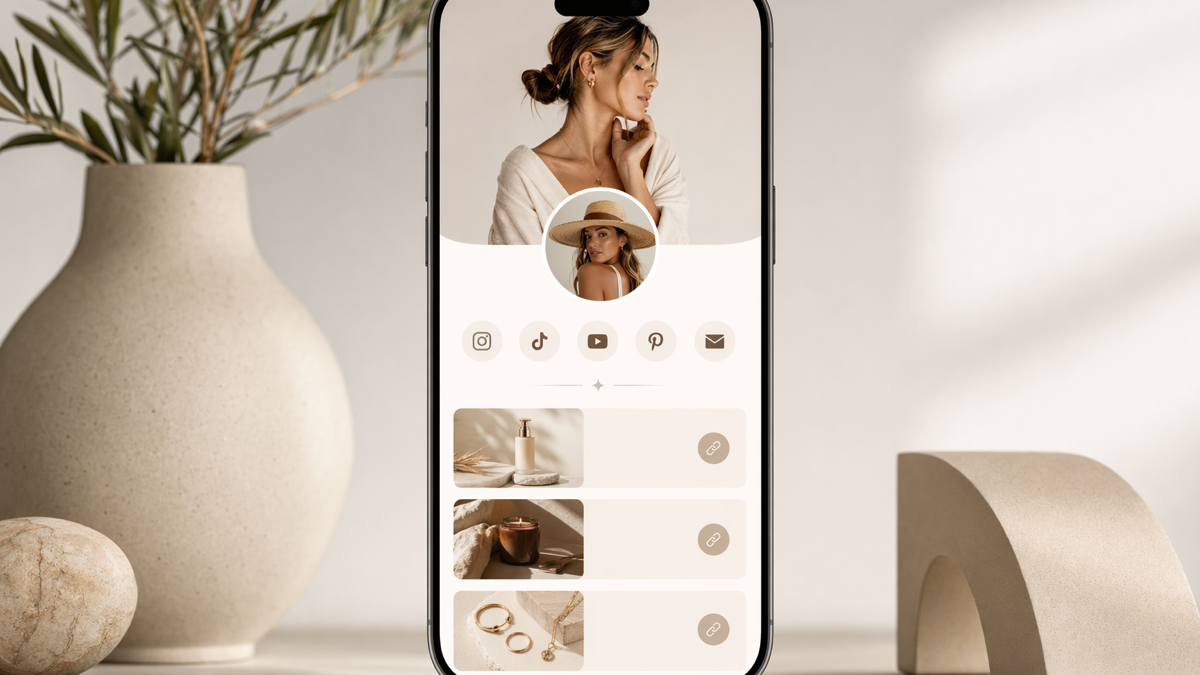
If you want one place to create branded short links, editable QR codes and simple bio pages, create a free D2eak.link account and build your first campaign in a few minutes.
The winner is not the tool with the most famous name. It is the setup that makes people more comfortable clicking and makes your team better at learning from each campaign. For customer-facing work, branded links usually win because trust and tracking live in the same place.
Related reading
If this topic is useful, these related D2eak.link guides are worth reading next: